
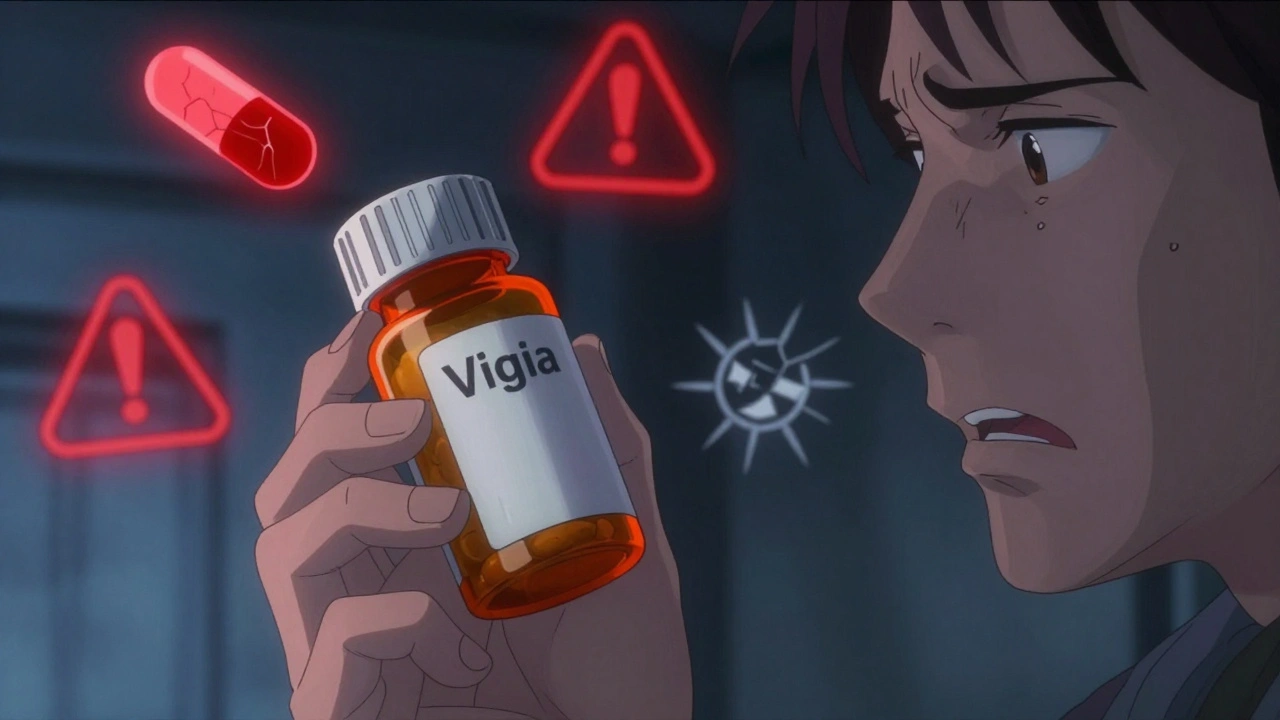
Every year, hundreds of thousands of people around the world take a pill they think is real - and it could kill them. Counterfeit medications aren’t just a problem in distant countries. They’re in online pharmacies, shady social media ads, and even some local pharmacies that don’t verify their suppliers. In 2024, Interpol seized over $21 million in fake drugs from more than 113,000 websites. The FDA says 1% of legitimate pharmaceuticals in developed countries are fake - but that number jumps to 30% in places with weak regulation. And here’s the scary part: many of these pills contain deadly substances like fentanyl, amphetamines, or toxic chemicals with no medical use at all.
Price That’s Too Good to Be True
If a medication costs half (or less) than what you pay at your local pharmacy, it’s almost certainly fake. Legitimate drug manufacturers don’t discount prescription medications by more than 20%. Counterfeiters, however, slash prices by 50% to 80% to lure people in. A 30-day supply of Viagra that normally costs $50 might be advertised for $15 online. That sounds like a steal - until you realize the pill contains amphetamine instead of sildenafil. The DEA’s 2024 Operation Press Your Luck found that 100% of counterfeit opioid pills seized contained fentanyl - some with enough to kill five adults. The same goes for weight loss drugs like Ozempic. With a monthly price tag near $1,000, they’re prime targets. If you see it for $100, run.Packaging That Doesn’t Match
The packaging is the first place most counterfeiters slip up. Look closely at the bottle or blister pack. Does the font look slightly off? Are there spelling errors? The FDA found that 63% of counterfeit medications have typos - misspelled drug names, wrong dosage instructions, or incorrect manufacturer details. Batch numbers might be missing, repeated, or don’t exist when you call the company. Expiry dates might be smudged, printed in the wrong spot, or use a different date format than what you’ve seen before. Even the color of the box can be wrong. One batch of fake metformin had a slightly brighter green box than the real version - a detail patients noticed after their blood sugar crashed.Tablets That Look or Feel Wrong
Real pills are made with precision. They’re uniform in size, weight, and color. If your new bottle of pills looks different from the last one - even a little - that’s a red flag. Check for: cracks, chips, bubbling on the coating, or uneven edges. Legitimate tablets don’t crumble in your fingers. If you drop one and it breaks apart like chalk, it’s not real. Some counterfeiters use low-grade fillers like talc or chalk, which don’t dissolve properly. Try this simple test: put a tablet in a glass of water. Real pills should take at least 30 minutes to fully dissolve. Fake ones often break down in under two minutes. One Reddit user reported his counterfeit diabetes pills dissolved in 90 seconds - his blood sugar dropped dangerously low the next day.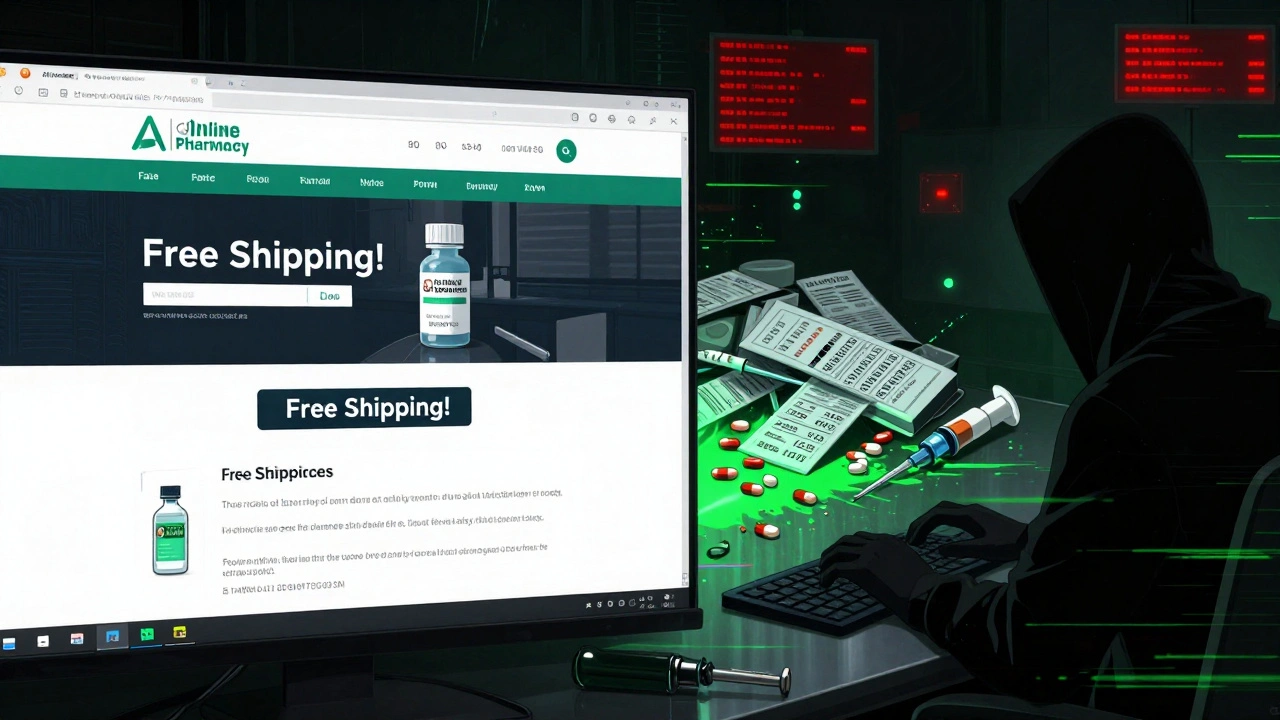
Unusual Side Effects or No Effect
If you’ve been taking a medication for months and suddenly feel dizzy, nauseous, or have a rapid heartbeat - especially if you haven’t changed your dose - stop taking it. Counterfeit drugs often contain the wrong active ingredient. In one documented case, patients taking fake metformin for type 2 diabetes ended up with glyburide - a stronger drug that causes severe hypoglycemia. Others have taken fake Viagra and suffered chest pain from hidden stimulants. On the flip side, if your medication just… doesn’t work anymore, that’s another warning. A 2024 survey found that 73% of pharmacists first suspected counterfeits after patients reported their meds weren’t helping. That’s true for antibiotics, blood pressure pills, and even insulin. If your condition suddenly worsens, question the source.Online Pharmacies Without a Prescription
No legitimate pharmacy in the U.S., Australia, or the EU will sell prescription drugs without a valid prescription. If a website lets you buy pills with a few clicks and no doctor’s note, it’s illegal - and almost certainly selling fakes. The National Association of Boards of Pharmacy (NABP) only approves websites with the .pharmacy domain. As of January 2025, there are only 6,214 verified sites worldwide. But there are over 35,000 illegal ones. Many use fake logos, copied images, and fake contact info. Check the website’s “About Us” page. If it’s vague, uses stock photos, or lists a PO Box instead of a physical address - walk away. Even if the site looks professional, if it doesn’t require a prescription, it’s not safe.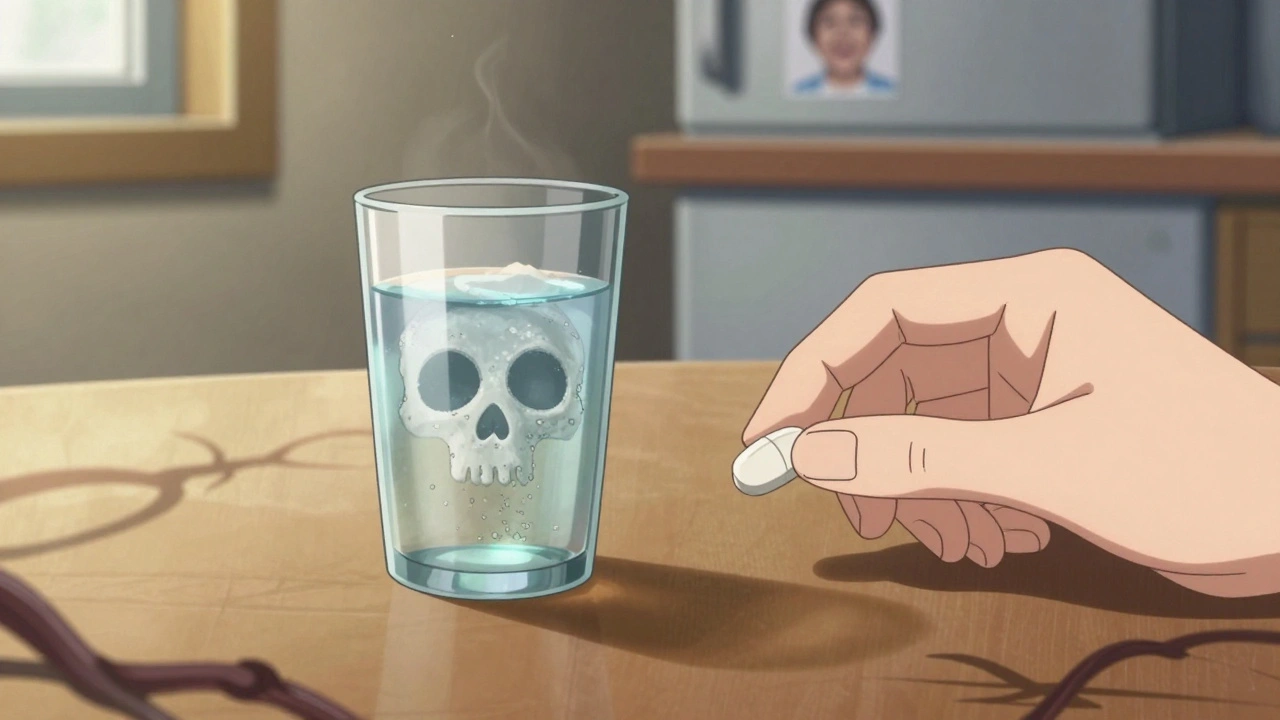
How to Verify Your Medication
You don’t need a lab to spot a fake. Here’s a simple six-step check:- Check the seal. Tamper-evident packaging should show clear signs if opened - crinkled foil, broken caps, or mismatched labels.
- Verify the NDC code. Every U.S. drug has a National Drug Code. Look it up on the FDA’s online directory. If it doesn’t exist, the drug isn’t real.
- Call the manufacturer. Pfizer, Novartis, and other big companies have hotlines to check batch numbers. About 37% of fake lot numbers don’t exist in their systems.
- Compare to images. Most manufacturers post reference photos of their pills online. Look at shape, color, imprint, and scoring. Even a tiny difference matters.
- Test solubility. Put a tablet in water. If it dissolves in under 30 minutes, it’s likely fake.
- Report it. If something’s off, report it to your pharmacist or the FDA’s MedWatch system. Your report could save someone’s life.
What’s Changing in the Fight Against Fakes
Counterfeiters are getting smarter. AI now generates packaging that looks 95% real to the naked eye. Holograms, QR codes, and embossed logos are being copied perfectly. But they still can’t replicate the microscopic details. Legitimate manufacturers now use proprietary microtext visible only under 50x magnification. The FDA is rolling out a new system called PharmMark - tiny luminescent nanoparticles embedded in pills that glow under UV light. By 2026, all controlled substances will have them. In Europe, every prescription package must now have a unique digital code scanned at the pharmacy. That system cut counterfeits by 83% in participating countries. The U.S. is behind - full serialization won’t be required until 2030. Until then, the burden falls on you.What to Do If You’ve Taken a Fake
If you suspect you’ve taken counterfeit medication, stop immediately. Don’t flush it or throw it away. Bring it to your pharmacist or doctor. They can test it or send it to authorities. If you’ve had unusual symptoms - chest pain, fainting, extreme fatigue, confusion - seek medical help right away. Fentanyl in fake pills can cause respiratory failure in minutes. Even if you feel fine, get checked. Some toxins build up slowly. And if you bought the drug online, report the website to the FDA and Interpol. Your report helps shut them down.Can I trust online pharmacies that offer free shipping?
No. Free shipping is a common tactic used by fake pharmacies to make their offers seem more appealing. Legitimate online pharmacies charge for shipping, just like your local pharmacy. If a site offers free shipping on prescription drugs, especially with no prescription required, it’s a major red flag. Always verify the site has the .pharmacy domain before making any purchase.
Are generic drugs more likely to be counterfeit?
Not inherently. Generic drugs are manufactured under the same strict standards as brand-name drugs. But because they’re cheaper, counterfeiters target them more often - they’re easier to sell at a big discount. The same red flags apply: unusual pricing, poor packaging, wrong tablet appearance. Always check the manufacturer and batch number, even with generics.
Can I tell if a pill is fake by taste?
Sometimes. Many counterfeit pills have a bitter, metallic, or chemical taste - unlike the mild or neutral flavor of real medication. But this isn’t reliable. Some fakes are coated to mask bad taste, and others taste identical. Never rely on taste alone. Use visual, packaging, and solubility checks instead.
Why are so many fake drugs sold online?
Online sales are hard to track, and many people don’t realize they’re buying from illegal sources. Fake pharmacies operate from countries with weak law enforcement, using fake addresses and anonymous payment systems. The profit margins are huge - some counterfeiters make over 1,000% profit on pills. With billions in annual sales, it’s a low-risk, high-reward business for criminals.
What should I do if my pharmacist says my medicine looks suspicious?
Listen to them. Pharmacists are trained to spot counterfeits - and they see hundreds of prescriptions every day. If they say something’s off, don’t take the pills. Ask them to contact the manufacturer or the FDA for verification. Most pharmacies will replace the medication at no cost if it’s confirmed as counterfeit. Your safety comes before cost or convenience.


Graham Holborn
Hi, I'm Caspian Osterholm, a pharmaceutical expert with a passion for writing about medication and diseases. Through years of experience in the industry, I've developed a comprehensive understanding of various medications and their impact on health. I enjoy researching and sharing my knowledge with others, aiming to inform and educate people on the importance of pharmaceuticals in managing and treating different health conditions. My ultimate goal is to help people make informed decisions about their health and well-being.