
Every year, thousands of generic medications are pulled from shelves because they don’t meet basic safety standards. It’s not a rare event. Between 2015 and 2024, the FDA recorded an average of 323 drug recalls annually, and nearly half of them involved generic drugs made overseas. These aren’t just minor mistakes-they can mean pills that don’t dissolve properly, patches that leak powerful opioids, or tablets contaminated with foreign particles. If you take generic medication, you need to know why recalls happen and what steps to take if yours is affected.
Why Do Generic Drugs Get Recalled?
The most common reason? Broken manufacturing rules. The FDA calls these violations of Current Good Manufacturing Practices (CGMP). These aren’t fancy terms-they’re basic requirements: clean facilities, properly calibrated machines, trained staff, and real-time quality checks. When any of these fail, the medicine can be unsafe. In April 2025, Glenmark Pharmaceuticals recalled nearly 40 types of generic drugs made in India because of CGMP issues. The affected products included common pain relievers like acetaminophen and ibuprofen, and allergy meds like cetirizine. The problem? Inconsistent testing and poor facility maintenance. The FDA found dirt in production areas, uncalibrated equipment, and no proof that batches were properly tested before release. These aren’t hypothetical risks-they’re documented failures. Another major cause is failed dissolution. This means the pill doesn’t break down the way it should in your body. If an Atorvastatin tablet (generic Lipitor) doesn’t dissolve properly, you won’t get the cholesterol-lowering effect you need. In 2025, Sun Pharmaceutical recalled lisdexamfetamine (generic Vyvanse) and Alkem Laboratories recalled over 140,000 bottles of Atorvastatin because lab tests showed the drugs weren’t releasing their active ingredients. For someone relying on this medication to prevent a heart attack, that’s not a small issue. Contamination is another serious problem. In October 2025, a batch of hydrocodone oral solution was pulled after foreign particles were found inside the liquid. Even more alarming: over 50 million fentanyl patches were returned because the seals were leaking. That’s not just a packaging flaw-it’s life-threatening. A leak could mean too much drug gets into the bloodstream at once (risking overdose), or too little (causing withdrawal or uncontrolled pain). These aren’t edge cases. The FDA says nearly 28% of all drug recalls between 2015 and 2024 involved contamination.Where Are These Drugs Made?
Most generic drugs sold in the U.S. aren’t made here. About 68% of recalls since 2015 came from facilities in India and China. Indian factories alone account for 43% of all foreign-sourced recalls. Why? Because the U.S. pharmaceutical industry shifted production overseas to cut costs. But the FDA can’t inspect every factory as often as it should. Before 2023, high-risk facilities were inspected once every 4.7 years. Now, thanks to new funding, inspections happen every 2.3 years. That’s better-but still not enough. Many of these factories are under pressure to produce huge volumes at low prices. When profit margins are razor-thin, corners get cut. Quality control becomes a checklist item, not a priority. That’s why recalls keep happening: the system is built to prioritize volume over vigilance.What Do the Recall Classes Mean?
Not all recalls are the same. The FDA ranks them by risk:- Class I: Highest risk. Could cause serious injury or death. (Example: a heart medication that doesn’t work at all.)
- Class II: May cause temporary or reversible harm. Most common. (Example: Atorvastatin that doesn’t dissolve, or a painkiller with a leaky patch.)
- Class III: Unlikely to cause harm. Usually labeling errors or minor contamination.
What Should You Do If Your Medication Is Recalled?
Don’t panic. But don’t ignore it either. First, don’t stop taking your medicine unless your doctor tells you to. If you’re on Vyvanse for ADHD, stopping suddenly can cause depression, fatigue, or a severe rebound of symptoms. If you’re on Atorvastatin, stopping could raise your risk of a heart attack or stroke. Your doctor might switch you to another batch, another brand, or a different medication entirely. Second, check your lot number. The recall notice will list specific lot numbers and expiration dates. Look on the bottle or box. If your medication matches, don’t throw it away. Take it to the pharmacy where you got it. Most pharmacies-CVS, Walmart, Walgreens-have automated systems that flag recalled lots at the counter. CVS reported a 92% success rate in notifying patients in 2024. Third, report any side effects. If you feel strange after taking a recalled drug-dizziness, nausea, chest pain, unusual fatigue-report it to the FDA’s MedWatch program. These reports help the agency spot patterns and act faster. Fourth, ask for a replacement or refund. Pharmacies are required to offer a replacement or refund for recalled products. Some manufacturers even offer reimbursement for out-of-pocket costs if you had to buy a new prescription.How Are Things Getting Better?
There’s progress. The FDA’s new PREDICT system now tracks 64% of all imported generic drugs before they enter the U.S.-up from just 30% in 2020. By 2026, it will cover 100%. That means more drugs are screened for quality before they hit shelves. In early 2025, major generic drugmakers-including Teva, Viatris, and Apotex-launched the Generic Pharmaceutical Quality Consortium. They’re investing $285 million to set up independent labs in India and China that test drugs before they’re shipped. This isn’t government oversight-it’s industry self-regulation. It’s a step forward, but it’s still early days. Still, about 19% of recall notices never reach the patient. That’s millions of people who might be taking a risky drug without knowing it. Pharmacies are better at notifications, but if you didn’t refill your prescription recently, or if you got it from a small clinic or online pharmacy, you might not hear a thing.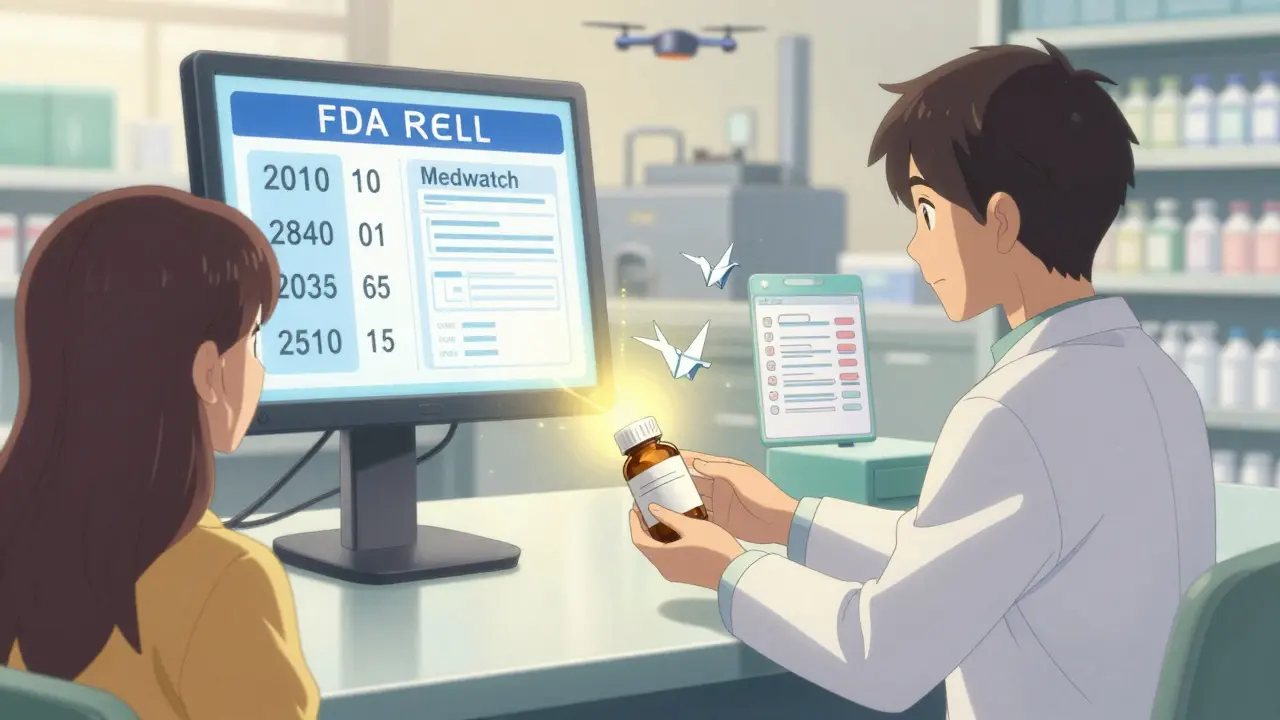
What You Can Do Now
You can’t control where your drug is made. But you can control what you do with it.- Always check the lot number on your prescription bottle when you pick it up.
- Sign up for recall alerts from the FDA’s website or your pharmacy’s app.
- Keep a list of your medications, including the lot number and expiration date, in your phone or wallet.
- If you’re on a critical medication (like blood thinners, insulin, or heart drugs), ask your pharmacist if your current batch has been recalled.
- Don’t assume a generic is always safe just because it’s cheap. Quality isn’t tied to price.
What If You Can’t Reach Your Doctor?
If you’re unable to contact your prescriber and your medication is recalled, go to your pharmacy. Pharmacists are trained to handle recalls and can advise you on whether it’s safe to continue, switch, or wait. In urgent cases, they can contact your doctor on your behalf. Don’t wait until you feel sick. Acting early is what keeps you safe.Are generic drugs less safe than brand-name drugs?
No, generic drugs are not inherently less safe. They must meet the same FDA standards for strength, purity, and performance as brand-name drugs. The difference isn’t in the drug itself-it’s in the manufacturing. Most recalls happen because of production issues at overseas factories, not because the active ingredient is flawed. A generic version of Atorvastatin is chemically identical to Lipitor. But if it’s made in a facility with poor quality control, it might not dissolve properly. The drug is the same. The process isn’t.
How do I find out if my medication has been recalled?
Check the FDA’s recall website, sign up for email alerts from your pharmacy, or ask your pharmacist to check your lot number each time you refill. Many pharmacies now automatically notify you if your specific batch is affected. You can also search the FDA’s Enforcement Reports database by drug name or lot number. Don’t rely on news reports alone-they often lag behind official updates.
Can I return a recalled drug to the manufacturer directly?
You can, but it’s easier and faster to return it to the pharmacy. Pharmacies are required to accept recalled medications and handle the return process for you. They’ll also give you a replacement or refund. Manufacturers usually don’t accept returns from individuals directly unless you’re part of a specific reimbursement program.
Why do recalls take so long to reach patients?
The supply chain is long and fragmented. A drug might be made in India, shipped to a U.S. distributor, then sent to a regional warehouse, then to dozens of pharmacies. By the time the recall is issued, the drug may have already been sold to hundreds of thousands of people. Pharmacies are getting better at tracking lot numbers, but if you got your prescription from a small clinic, mail-order service, or online pharmacy, you might not get a notification. Always check your lot number yourself.
What should I do if I’ve already taken a recalled drug?
If you’ve taken a recalled drug and feel fine, you’re likely okay. But monitor yourself for unusual symptoms-dizziness, nausea, chest pain, confusion, or worsening of your condition. If you notice anything out of the ordinary, contact your doctor or pharmacist immediately. Even if you feel fine, report the exposure to the FDA’s MedWatch program. Your report helps identify patterns and prevent future harm.


Graham Holborn
Hi, I'm Caspian Osterholm, a pharmaceutical expert with a passion for writing about medication and diseases. Through years of experience in the industry, I've developed a comprehensive understanding of various medications and their impact on health. I enjoy researching and sharing my knowledge with others, aiming to inform and educate people on the importance of pharmaceuticals in managing and treating different health conditions. My ultimate goal is to help people make informed decisions about their health and well-being.