

Gut Microbiome Drug Interaction Checker
Check Your Medication
Enter a drug name to see how gut bacteria might affect its metabolism and side effects.
How It Works
Your gut bacteria can activate, deactivate, or transform medications. This tool shows scientific evidence of microbiome interactions for common drugs.
Key Insight
Studies show 63% of common medications are affected by gut bacteria, including chemotherapy drugs, heart medications, and common prescriptions.
Have you ever taken a medication that worked perfectly for someone else but gave you terrible side effects? You weren’t alone. For years, doctors assumed these differences came down to body weight, liver function, or genetics. But now, science is pointing to something far more surprising: the trillions of bacteria living in your gut.
The gut microbiome isn’t just helping digest food. It’s actively changing how drugs behave in your body-sometimes making them safer, often making them dangerous. This isn’t theory. It’s measurable, repeatable, and already changing how drugs are developed and prescribed.
What the Gut Microbiome Does to Your Medicines
Your gut holds about 100 trillion bacteria. That’s more than the number of human cells in your body. These microbes aren’t passive residents. They produce enzymes that break down, activate, or transform drugs in ways your own liver never could.
Take irinotecan, a chemotherapy drug used for colon cancer. In its original form, it’s not toxic. But once your body processes it, it turns into SN-38-a powerful toxin that kills cancer cells. The problem? A bacterial enzyme called beta-glucuronidase, made by certain gut microbes, reactivates SN-38 right in your intestines. This turns a targeted cancer treatment into a gut-destroying side effect. About 30-40% of patients on irinotecan suffer severe diarrhea because of this. Studies show the more of this enzyme your gut bacteria produce, the worse the diarrhea. The correlation is strong: r=0.87.
Then there’s digoxin, a heart medication. For decades, doctors couldn’t explain why some patients needed 30% more of the drug than others to get the same effect. The answer? A single species of bacteria, Eggerthella lenta, breaks down digoxin and renders it useless. If you have this bug in your gut, the drug doesn’t work as well. No amount of adjusting the dose helps if your microbiome is neutralizing it.
Even drugs we think of as harmless can be turned toxic. A 2019 Yale study found that gut bacteria transformed one common antiviral drug into a compound responsible for 73% of its toxic metabolites. That means for 15-20% of patients, the side effects weren’t random-they were bacterial.
Prodrugs That Need Bacteria to Work
Not all microbiome effects are bad. Some drugs are designed to be inactive until they’re activated by the body. These are called prodrugs. And guess what? Many of them need gut bacteria to work at all.
Take prontosil, one of the first antibiotics ever developed. It’s completely inert until gut bacteria split it open with an enzyme called azoreductase. Then, it releases sulfanilamide-the real antibiotic. In mice treated with antibiotics, prontosil’s effectiveness dropped from 90% to just 12%. No bacteria? No drug effect.
This isn’t just an old example. Modern prodrugs rely on the same principle. If your microbiome is wiped out by antibiotics, or altered by diet, or changed by chronic illness, you might not get the full benefit of your medication. And you won’t even know why.
Why This Matters for Everyday Medications
This isn’t just about chemotherapy or obscure drugs. A 2022 analysis found that 63 commonly prescribed drugs are affected by gut bacteria. That includes:
- Clonazepam (an anti-seizure drug): Germ-free mice had 40-60% higher blood levels than mice with normal gut flora. That means people with different microbiomes could be getting dangerously high doses without realizing it.
- Lovastatin (a cholesterol drug): Long-term antibiotic use reduced statin effectiveness by 35%. If your microbiome is disrupted, your cholesterol might stay high even while you’re taking the pill.
- Nitrazepam (a sleep aid): In rodent studies, antibiotics cut the drug’s birth defect risk by 78%. The bacteria were turning it into a teratogen. Remove them, and the danger vanishes.
These aren’t edge cases. They’re common. And they explain why two people on the same dose can have completely different outcomes.
How Researchers Are Studying This
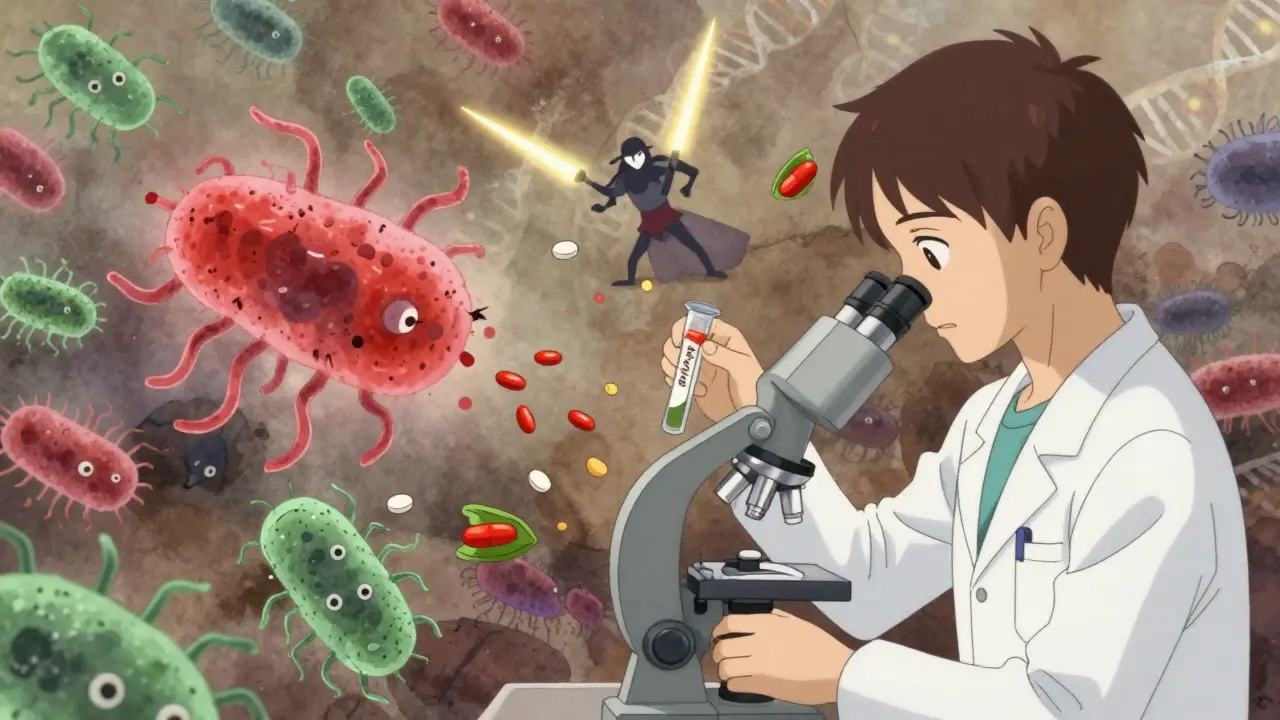
Understanding these interactions isn’t easy. Scientists use three main methods:
- In vitro screening: Mix human fecal samples with drugs in a lab. See what changes. Takes 48 hours and 3 mL of stool.
- Gnotobiotic mice: Mice raised without any microbes, then colonized with specific bacteria. These cost $850-$1,200 per mouse and take 8 weeks to run a trial.
- Human studies: Track patients before and after antibiotics, probiotics, or dietary changes. Require at least 50 people and 12 weeks.
Before 2020, only 45% of labs could reproduce these findings. Now, with standardized protocols, that number has jumped to 82%. The science is getting real.
What This Means for Drug Development
Pharmaceutical companies are no longer ignoring this. Since 2020, Pfizer, Merck, and others have added microbiome screening to their Phase I clinical trials. It adds about $2.5 million to development costs-but saves hundreds of millions later.
Why? Because a single drug causing severe side effects can lead to lawsuits, recalls, or withdrawal from the market. The CDC estimates 1.3 million emergency room visits in the U.S. each year are due to adverse drug reactions. Many of these could be prevented if we knew how a patient’s microbiome would react.
The FDA and EMA now recommend microbiome interaction studies for drugs with narrow therapeutic windows-especially cancer drugs. The European Medicines Agency requires it for all new oncology drugs. The U.S. isn’t far behind.
Testing and Personalizing Treatment
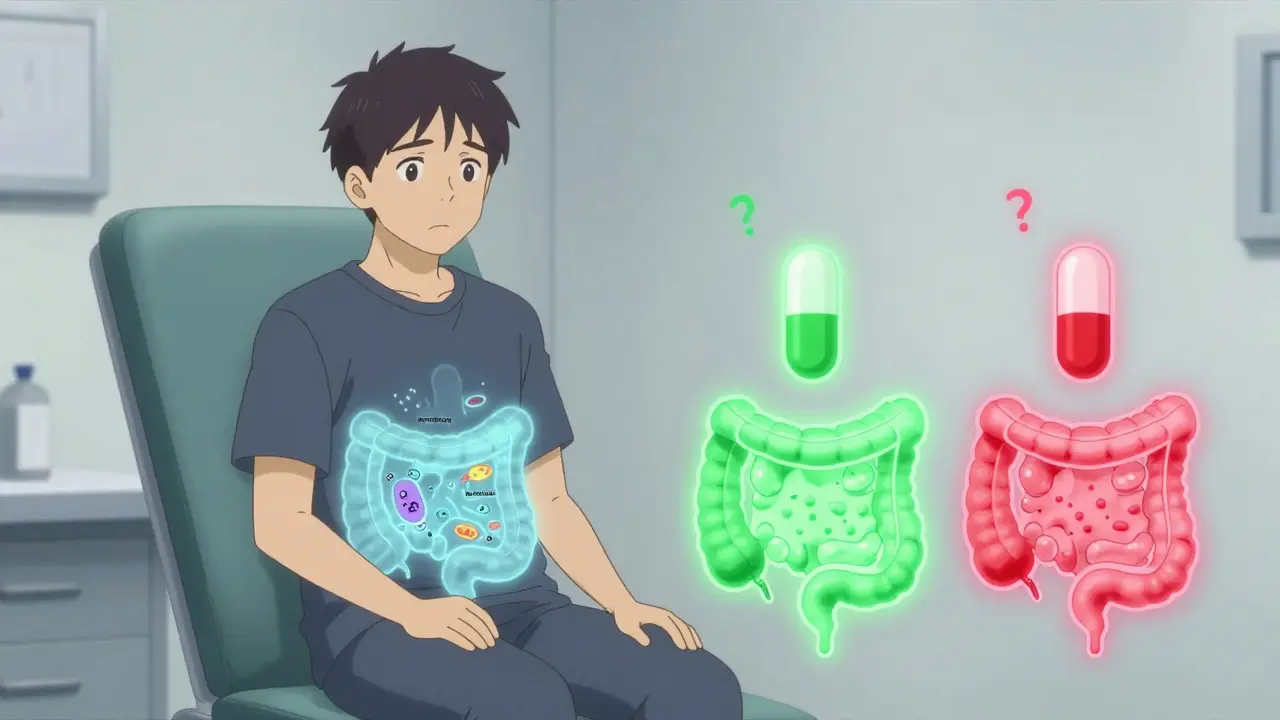
So how do you know if your microbiome is affecting your meds?
Currently, the best way is metagenomic sequencing of stool samples. It costs $300-$500 and identifies which bacterial genes are present-including those that break down drugs. Accuracy is around 95% for known metabolic pathways.
Some clinics already offer this as part of precision medicine programs. Imagine a future where your doctor doesn’t just ask what drugs you’re taking-but also checks your microbiome profile before prescribing.
There are also experimental treatments being tested:
- Beta-glucuronidase inhibitors: A pill that blocks the enzyme causing irinotecan diarrhea. Phase II trials show a 60% drop in severe diarrhea.
- Personalized probiotics: Engineered bacteria designed to either block harmful metabolism or boost drug activation. One such trial (NCT05102805) is now in Phase I.
- Fecal transplants: Used in extreme cases. Costs $3,000-$6,000. Can reset drug metabolism-but it’s still experimental for this use.
The Bigger Picture: A New Era in Medicine
This isn’t just about avoiding side effects. It’s about making drugs work better for everyone.
Researchers estimate that microbiome-informed dosing could reduce adverse reactions by 25-35%. That’s millions of people avoiding hospital visits, pain, and even death.
The NIH has committed $14.7 million over the next three years to this field. The global market for microbiome therapeutics is projected to hit $1.8 billion by 2027. That’s not hype-it’s science catching up to reality.
For the first time, we’re seeing that two people on the same drug aren’t just different because of their genes. They’re different because of the invisible ecosystem inside them. And that ecosystem? It’s just as important as the pill itself.
Next time you’re prescribed a new medication, ask: Could my gut be changing how this works? The answer might be yes. And that’s not a flaw in you-it’s a clue for better medicine.
Can antibiotics mess up how my drugs work?
Yes. Antibiotics can wipe out gut bacteria that are essential for activating or breaking down certain drugs. For example, antibiotics reduced the effectiveness of the prodrug prontosil from 90% to 12% in studies. They also lowered lovastatin’s cholesterol-lowering effect by 35%. Even short courses can have lasting effects on drug metabolism.
Do probiotics help with drug metabolism?
Not yet in a reliable way. Most over-the-counter probiotics don’t contain the specific strains that affect drug metabolism. However, experimental probiotics are being designed to block harmful bacterial enzymes-like beta-glucuronidase-during chemotherapy. These are still in early trials and not available to the public.
Is there a test to check if my gut affects my meds?
Yes, but it’s not routine. Metagenomic stool sequencing can identify bacterial genes linked to drug metabolism with 95% accuracy. It costs $300-$500 and is mostly used in research or specialized clinics. It’s not covered by insurance yet, but it’s becoming more accessible.
Why don’t doctors talk about this?
Because until recently, it wasn’t well understood or testable. The science is still emerging. But since 2020, major drug companies and regulators have started requiring microbiome data. That means within the next 5-7 years, this will become part of standard prescribing-especially for cancer, neurological, and heart drugs.
Can diet change how my drugs are metabolized?
Absolutely. Fiber, fat, and fermented foods change your gut microbiome. A high-fat diet can increase bacteria that deactivate certain drugs. A plant-rich diet can boost those that activate others. While we don’t yet have precise dietary guidelines for every drug, your food choices are already influencing how your meds work-whether you know it or not.


Graham Holborn
Hi, I'm Caspian Osterholm, a pharmaceutical expert with a passion for writing about medication and diseases. Through years of experience in the industry, I've developed a comprehensive understanding of various medications and their impact on health. I enjoy researching and sharing my knowledge with others, aiming to inform and educate people on the importance of pharmaceuticals in managing and treating different health conditions. My ultimate goal is to help people make informed decisions about their health and well-being.