
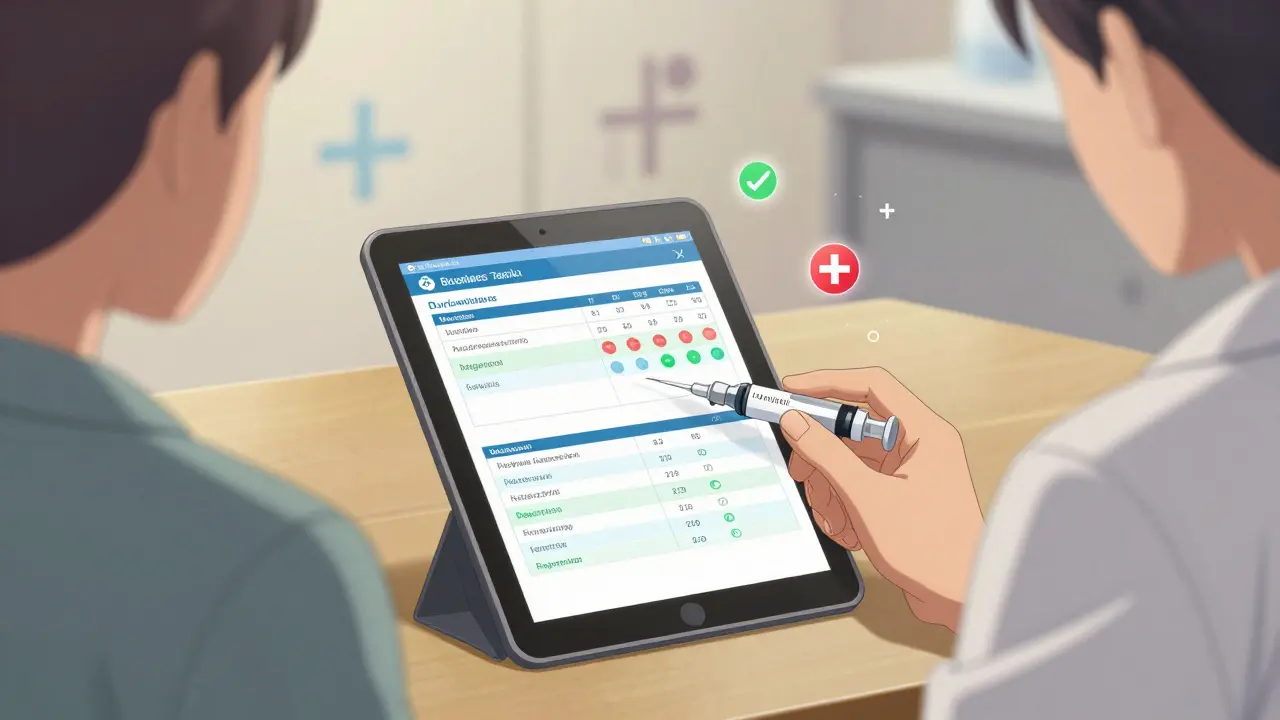
Specialty medications and injectables are changing how we treat serious illnesses-cancer, MS, rheumatoid arthritis, and more. But they’re also breaking the bank. These drugs make up just 2% of all prescriptions, yet they consume 50% of total pharmacy spending. For many employers, that’s $34.50 per employee, every month. If you’re paying for these drugs-whether through an employer plan, Medicare, or out of pocket-you’re feeling the pinch. The good news? There are proven ways to cut those costs without sacrificing care.
Use Formulary Management to Stop Wasteful Spending
Formulary management isn’t just a buzzword. It’s a practical tool that tells insurers and pharmacies which drugs they’ll cover-and under what conditions. The goal? Make sure patients get the right drug at the right time, not the most expensive one.Many plans use step therapy (trying a cheaper drug first) or prior authorization (requiring doctor approval before filling a high-cost script). For example, Excellus BlueCross BlueShield saved $13.64 per member per month on GLP-1 weight loss drugs by tightening prior authorization rules. That’s not about denying care-it’s about ensuring the drug is truly needed. One study showed 98% of specialty drug requests were still approved under strict protocols, meaning access wasn’t cut, but waste was.
These rules work best when backed by clinical data, not just cost. A pharmacy and therapeutics committee made up of pharmacists and doctors should review drug usage monthly. If a drug is being overused or prescribed without clear guidelines, they adjust the rules. For every 100,000 people covered, you need about 15-20 full-time staff to manage this well. It’s not cheap to set up, but the savings start within a year.
Switch to Narrow Pharmacy Networks
Not all pharmacies are created equal when it comes to specialty drugs. Some specialize in handling injectables, storing them properly, training nurses, and coordinating with doctors. These specialty pharmacies often get better pricing from manufacturers because they handle high volumes.By limiting your plan to just a few of these top-tier specialty pharmacies, you can cut costs by 10-15%. CarelonRx found that exclusive networks saved $1.37 per member per month across 200 employers-adding up to $35 million a year. And it’s not just about price. Patients using these networks report better support: 8.7 out of 10 satisfaction vs. 7.2 for generic pharmacies.
The catch? Some patients hate switching. One employer saw a 22% spike in customer service calls during the transition. That’s why communication matters. Send clear letters, offer help scheduling, and make sure the new pharmacy contacts the patient before their first refill. Give people time to adjust. The long-term payoff-lower costs and better care-is worth the short-term hassle.
Switch to Biosimilars When You Can
Biosimilars are the generic version of biologic drugs. They’re not copies-they’re highly similar versions, approved by the FDA after rigorous testing. And they cost about half as much.For example, a biosimilar for rheumatoid arthritis might cost $5,000 a month instead of $10,000. Quantum Health estimates that if biosimilars were used more widely, the U.S. could save $180 billion over five years. As of late 2023, the FDA had approved 42 biosimilars. But adoption is still under 30% in most areas.
Why so slow? Doctors are cautious. Patients worry they won’t work as well. But studies show no difference in effectiveness. Hospitals that switched to biosimilars saw 20-30% cost drops without any drop in patient outcomes. The key? Education. Run workshops for prescribers. Share real patient data. Let them see the results. And don’t force the switch-guide it.
Move Injectables Out of Hospitals
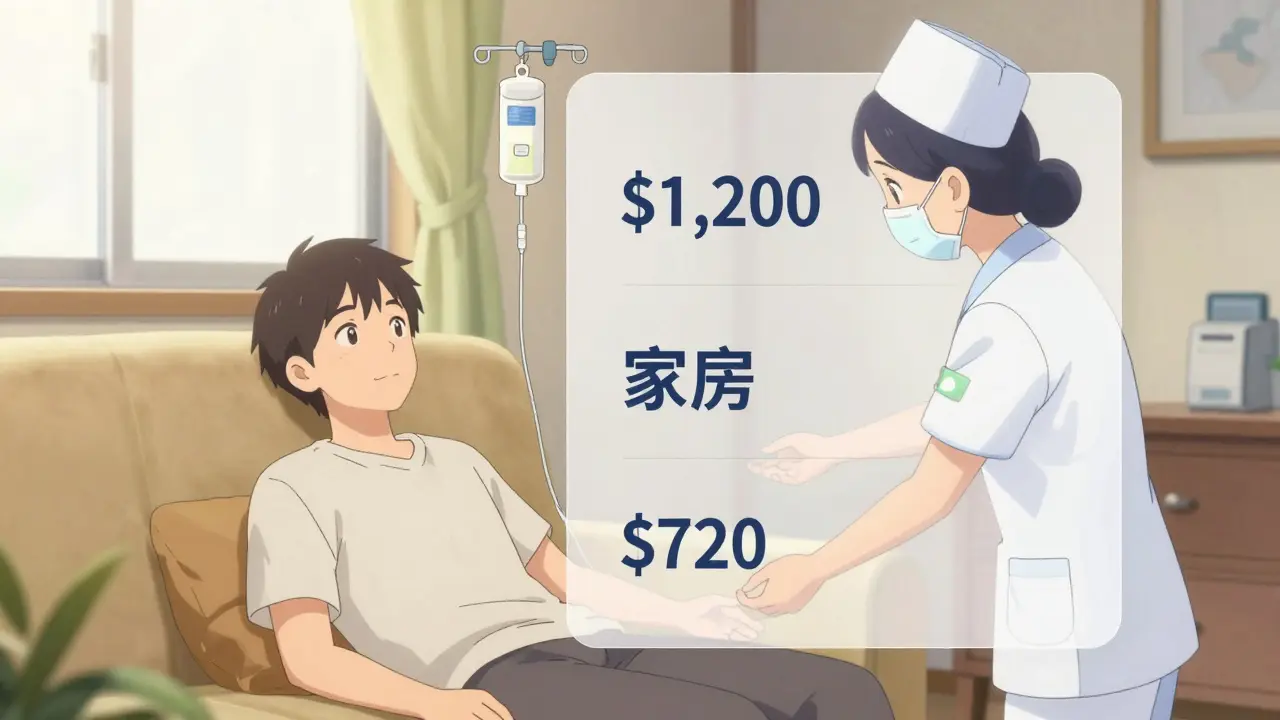
If your drug is given by injection or infusion, chances are it’s being administered in a hospital outpatient department. That’s the most expensive place to get it.But here’s the truth: 91% of the time, you don’t need a hospital. You need a doctor’s office, a clinic, or even your own home-with a trained nurse visiting you. Quantum Health found that 220 specialty drugs (63% of total costs) could be safely moved to lower-cost settings. When they did, costs dropped by 48%.
One plan saved $1,200 per infusion by switching from a hospital to a physician’s office. That’s $14,400 a year per patient. Multiply that across hundreds of patients, and you’re talking millions. The trick? Get payers to pay the same amount no matter where the drug is given. If hospitals get paid more for infusions, they’ll keep doing them. Change the reimbursement rules, and behavior changes.
Use Value-Based Contracts
Traditional drug pricing is broken. You pay for the bottle, no matter if it works or not. Value-based contracts flip that. You pay based on results.For example, a drug for multiple sclerosis might come with a guarantee: if the patient doesn’t improve after six months, the manufacturer refunds part of the cost. Prime Therapeutics saw a 45% jump in these types of deals last year. Dr. Peter Bach from Memorial Sloan Kettering calls this the most promising approach-but it’s complex to set up.
It requires tracking patient outcomes over time, tying payments to data, and building trust between manufacturers and payers. But the upside? You only pay for drugs that actually help. That’s not just smart finance-it’s better medicine.
Maximize Copay Assistance Programs
Manufacturers often offer copay cards to help patients afford expensive drugs. But here’s the hidden problem: many plans count those cards as part of the patient’s out-of-pocket costs. That means the patient hits their deductible faster-and the plan pays more later.Pharmacy copay maximizer programs fix this. They let patients use the manufacturer’s card to pay $0 out of pocket, while the plan doesn’t count it toward the deductible. That keeps the patient’s costs low and the plan’s costs lower too.
CarelonRx found that when these programs are used correctly, employers can save 5-8% annually on specialty drugs. Patients are happier. And no one loses access to treatment. It’s a win-win-if the plan is set up right.

What Doesn’t Work
Some ideas sound good but don’t deliver. Capping monthly out-of-pocket costs for patients sounds fair, but it doesn’t reduce overall spending. It just shifts the burden to the insurer. You still pay the same high drug price-you’re just spreading it out.Also, don’t rely on patient cost-sharing alone. Requiring patients to pay more doesn’t reduce drug prices-it just makes people skip doses. A JAMA study found that higher copays led to worse outcomes for chronic disease patients. That leads to hospitalizations, ER visits, and higher total costs down the line.
Putting It All Together
No single trick will solve this. But combining a few strategies works.- Use formulary rules to stop unnecessary prescriptions
- Lock in a narrow pharmacy network for better pricing and service
- Push for biosimilars with education and data
- Move infusions out of hospitals
- Use value-based contracts where possible
- Apply copay maximizers to protect patients and plans
Employers who use three or more of these strategies are already seeing growth in specialty drug spending drop from 10-12% per year to just 5-7%. That’s a $45-60 billion savings potential across the industry by 2027.
It’s not about cutting corners. It’s about cutting waste. It’s about making sure every dollar spent on a specialty drug actually improves someone’s life.
Are biosimilars as safe as brand-name biologics?
Yes. The FDA requires biosimilars to show no clinically meaningful differences in safety, purity, or potency compared to the original biologic. Thousands of patients have used them, and studies show identical outcomes. The only difference is the price-about 50% lower.
Why do some doctors refuse to prescribe biosimilars?
Many doctors weren’t trained on biosimilars and worry about switching patients. Some fear legal liability or patient backlash. But education helps. When providers see data showing equal effectiveness and safety, adoption increases. Pharmacies and insurers can support this by sharing real-world case studies and offering continuing education.
Can I switch my specialty pharmacy if I’m unhappy with the service?
Yes, but check your plan first. If you’re in a narrow network, you may be limited to specific pharmacies. If you’re not, you can usually switch. Contact your insurer or pharmacy benefit manager (PBM) to request a change. Many plans allow one free switch per year. Don’t wait until you run out of medication-start the process early.
How do I know if my drug can be given at home?
Ask your doctor or pharmacist. If your drug is an injection or infusion, it’s likely eligible for home administration. Common examples include drugs for MS, rheumatoid arthritis, and immune disorders. Your insurer may require prior authorization for home delivery, but many now cover it with trained nursing support. Home administration often cuts costs by 40-50% and improves convenience.
What if my employer doesn’t use any of these cost-saving strategies?
You can still take action. Talk to your HR department. Share data: show them how other companies saved money with formulary management or biosimilars. Suggest they contact their pharmacy benefit manager (PBM) to ask about these programs. If your plan is self-insured, you may have more leverage. Even small changes-like switching to a preferred pharmacy-can make a difference.
Next Steps: What You Can Do Today
- Check your prescription list. Are any of your drugs on the high-cost specialty list? Look up their average retail price.
- Call your pharmacy or insurer. Ask: “Do you use a narrow specialty pharmacy network?” and “Are biosimilars available for my drug?”
- Ask your doctor: “Is there a lower-cost alternative that works just as well?”
- If you’re on a copay card, ask your insurer if it counts toward your deductible. If it does, ask about a copay maximizer program.
- For infusions: “Can this be done at a clinic or at home?”
Specialty drugs aren’t going away. But their prices don’t have to keep rising. With smart choices, you can take control-not just of your health, but of your costs too.
Graham Holborn
Hi, I'm Caspian Osterholm, a pharmaceutical expert with a passion for writing about medication and diseases. Through years of experience in the industry, I've developed a comprehensive understanding of various medications and their impact on health. I enjoy researching and sharing my knowledge with others, aiming to inform and educate people on the importance of pharmaceuticals in managing and treating different health conditions. My ultimate goal is to help people make informed decisions about their health and well-being.