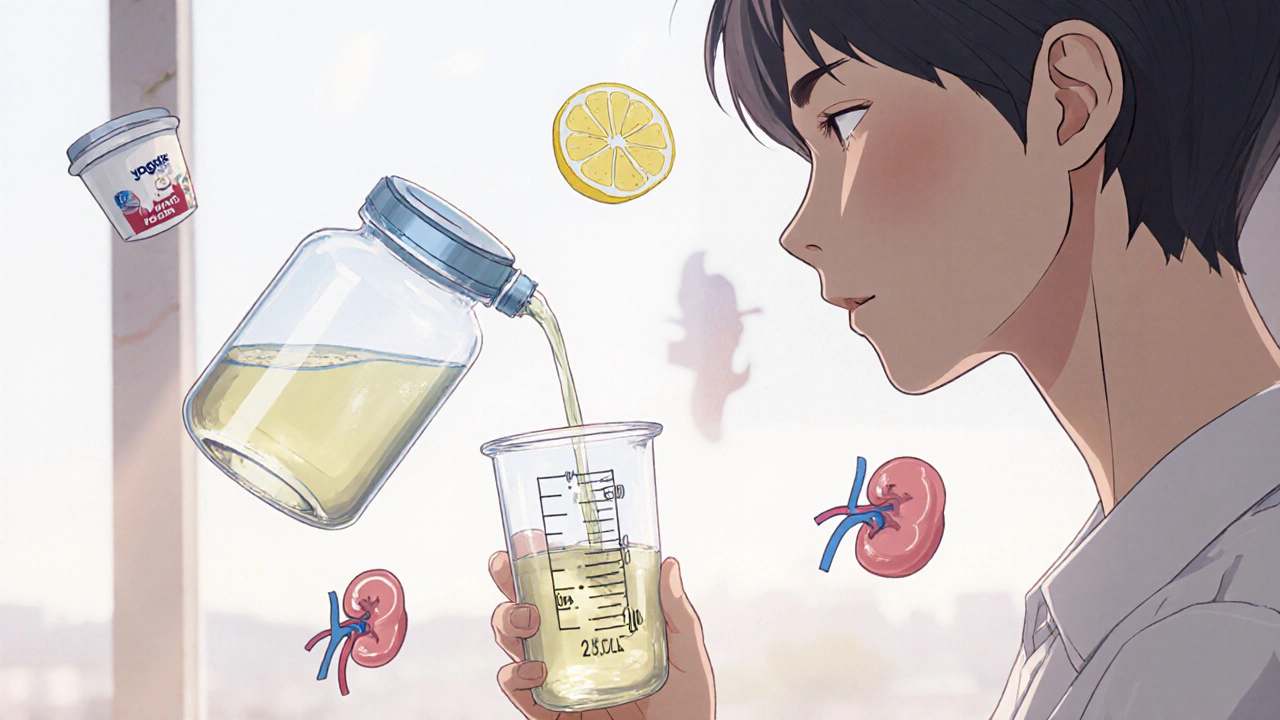
Kidney Stone Diet: What to Eat, Avoid, and Why It Matters
When you’ve had a kidney stone, a hard deposit of minerals and salts that forms in the kidneys and can cause severe pain. Also known as renal calculi, these stones don’t just happen by accident—they’re often tied to what you eat and drink every day. The good news? You can cut your risk of another one by more than half just by changing your diet. This isn’t about extreme restrictions. It’s about smart, simple shifts that work with your body, not against it.
One of the biggest mistakes people make is cutting out calcium. That’s backwards. Getting enough calcium from food—like milk, yogurt, or leafy greens—actually helps bind oxalate in your gut before it reaches your kidneys. Oxalate is a compound in foods like spinach, nuts, and beets that can form stones when it’s not balanced. But here’s the catch: you need calcium with your meals, not alone. Eating calcium-rich foods at the same time as high-oxalate foods stops oxalate from being absorbed. Skipping calcium? That just makes things worse.
Hydration is the most powerful tool you have. Drinking enough water isn’t just a suggestion—it’s a medical necessity. Most people don’t drink nearly enough. Aim for at least 2.5 liters a day, enough to make your urine light yellow or clear. If you’re sweating a lot, exercising, or living in a hot climate, you need even more. Lemonade made with real lemon juice helps too—it contains citrate, which naturally blocks stone formation. Avoid sugary drinks, especially colas. They’re linked to higher stone rates, even more than not drinking enough water.
Not all salt is created equal when it comes to kidney stones. Too much sodium makes your kidneys dump more calcium into your urine, which feeds stone growth. That means cutting back on processed foods, canned soups, deli meats, and restaurant meals. You don’t have to go salt-free—just be mindful. Read labels. Cook at home. Use herbs instead of salt to flavor food. Small changes here make a big difference over time.
Animal protein is another hidden trigger. Eating too much red meat, chicken, or fish increases uric acid and lowers citrate, both of which encourage stones. You don’t need to go vegan, but try swapping one meat-based meal a day for beans, lentils, or tofu. It’s easier than you think, and your kidneys will thank you.
And what about supplements? Vitamin C pills in high doses can turn into oxalate in your body. If you’re taking more than 1,000 mg a day, talk to your doctor. Same with calcium supplements—take them with meals, not on an empty stomach. And skip the mega-dose vitamin D unless you’re deficient. Too much can raise calcium levels in your urine.
There’s no single ‘kidney stone diet’ that fits everyone. The best plan depends on what kind of stones you’ve had—calcium oxalate, uric acid, struvite, or cystine. But most people benefit from the same basics: drink more water, eat calcium-rich foods with meals, cut back on salt and meat, and avoid sugar-sweetened drinks. These aren’t fad rules. They’re what doctors recommend based on decades of research and real patient results.
What you’ll find below are real, practical guides that break down exactly how to adjust your eating habits—whether you’re dealing with recurring stones, trying to prevent them after surgery, or just want to understand what your doctor meant when they said ‘watch your oxalate.’ These posts don’t sugarcoat it. They give you the facts, the food lists, and the simple steps that actually work.