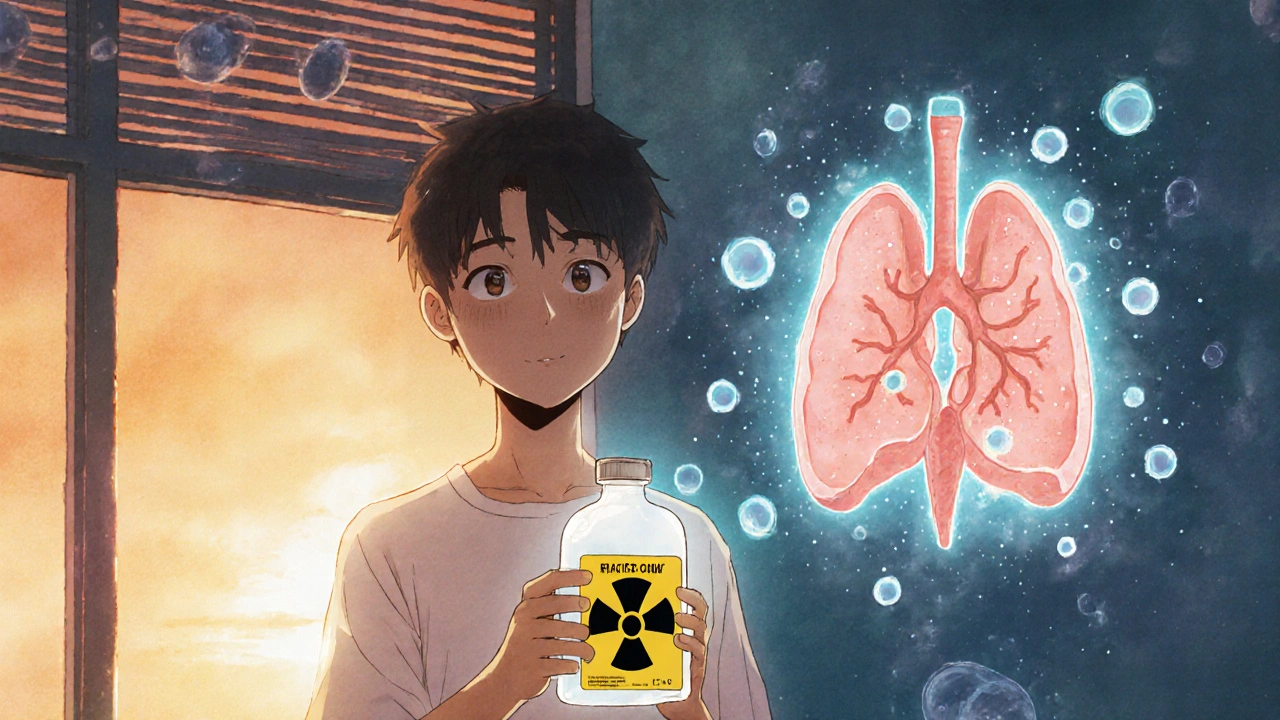
Papillary Thyroid Cancer: Causes, Treatments, and Medication Safety
When someone is diagnosed with papillary thyroid cancer, the most common form of thyroid cancer, typically slow-growing and highly treatable when caught early. Also known as papillary carcinoma, it accounts for about 80% of all thyroid cancer cases and often responds well to surgery and targeted therapies. Unlike aggressive cancers that spread quickly, papillary thyroid cancer usually stays confined to the thyroid gland or nearby lymph nodes, making early detection a game-changer.
Treatment almost always starts with removing part or all of the thyroid gland — a procedure called thyroidectomy. After surgery, most patients need lifelong levothyroxine, a synthetic thyroid hormone used to replace what the body can no longer make and to suppress TSH, which can fuel cancer growth. This isn’t just about managing energy or weight — it’s a critical part of preventing recurrence. Some patients also receive radioactive iodine, a treatment that targets and destroys any remaining thyroid tissue or cancer cells that might have spread. It’s not a chemotherapy drug, but it works like a precision missile because thyroid cells are the only ones in the body that absorb iodine.
What many don’t realize is how medication safety ties directly into survival. Levothyroxine interacts with common drugs like iron supplements, calcium, antacids, and even some cholesterol meds — taking them at the wrong time can block absorption and reduce effectiveness. A missed dose or poorly timed pill might seem small, but over months or years, it can raise TSH levels and increase cancer risk. Patients on radioactive iodine must also avoid pregnancy for months afterward and follow strict isolation rules to protect others from low-level radiation exposure.
Long-term monitoring includes regular blood tests for TSH, thyroglobulin, and imaging if needed. But beyond the science, there’s a human side: fatigue, weight changes, anxiety about recurrence, and the emotional toll of lifelong medication. That’s why understanding how your treatment works — and how to avoid dangerous interactions — isn’t optional. It’s the difference between just surviving and living well.
Below, you’ll find real, practical guides on how to manage thyroid medication safely, avoid common drug interactions, recognize warning signs of recurrence, and make sense of lab results. These aren’t theoretical overviews — they’re tools built by people who’ve been through it, and they’re here to help you take control.