
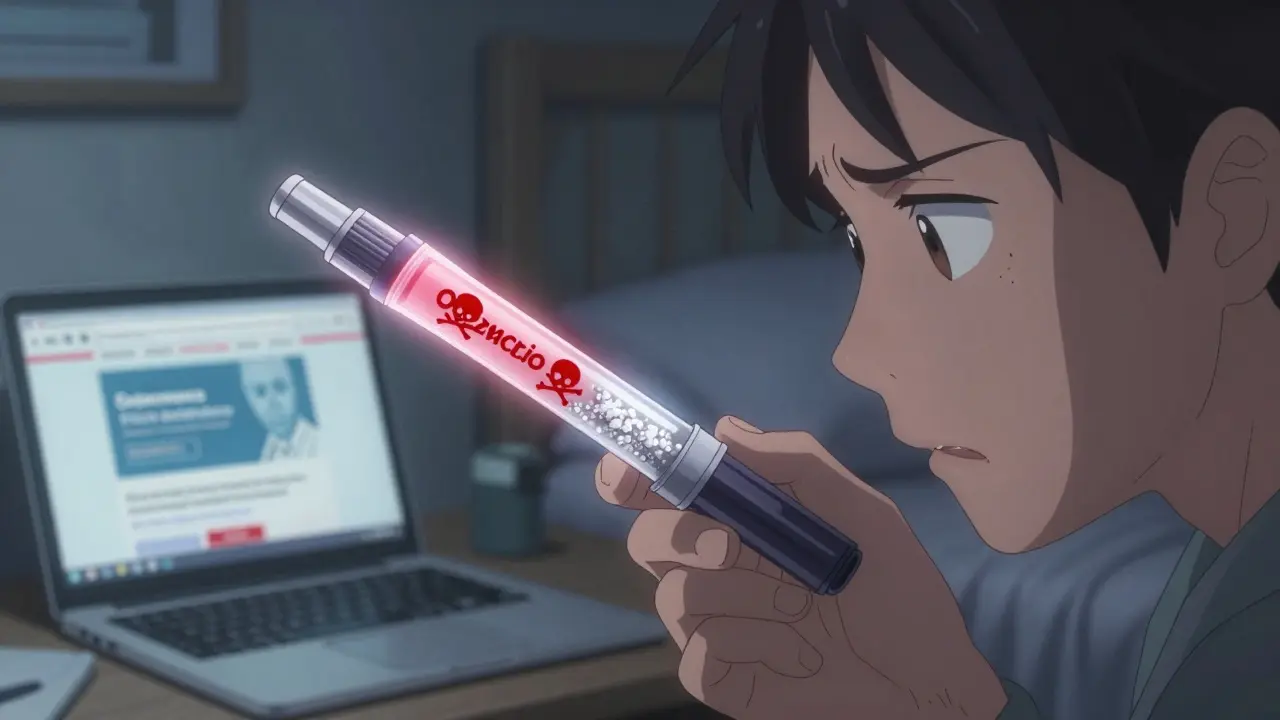
Every year, millions of people around the world buy generic medications because they’re affordable and effective. But what if the pill you’re taking doesn’t contain the medicine it claims to? What if it’s filled with chalk, rat poison, or nothing at all? This isn’t a horror movie-it’s happening right now, and it’s getting worse.
What Exactly Are Counterfeit Generics?
Counterfeit generics are fake versions of real, off-patent drugs. They look identical to the real thing-same color, same shape, same packaging. But inside? They’re dangerous. Some have no active ingredient at all. Others have too little. A few even contain toxic chemicals like boric acid, floor cleaner, or industrial dyes. These aren’t made in hidden labs by cartoon villains. They’re produced in factories using pharmaceutical-grade equipment, then shipped through legal-looking supply chains. The problem exploded after 2020. During the pandemic, demand for antivirals, antibiotics, and even weight-loss drugs like Ozempic surged. Criminals saw an opportunity. They didn’t just flood the black market-they started sneaking fakes into legitimate pharmacies, online stores, and even mail-order services. In 2024, over 6,400 cases of counterfeit drugs were confirmed globally. In March 2025 alone, Interpol seized more than 50 million fake doses. That’s not a typo. Fifty million. And that’s just what they caught.Where Are These Fakes Coming From?
Most counterfeit generics originate in Asia-especially India, China, and Bangladesh. These countries produce over 80% of the world’s generic drugs. That’s not the problem. The problem is that criminal networks exploit weak oversight in some parts of the supply chain. In the U.S., the FDA intercepted over 2,400 bulk shipments of semaglutide (the active ingredient in Ozempic and Wegovy) between September 2023 and January 2025. Of those, nearly 200 were allowed in illegally. One Iowa pharmacy was fined $25,000 in August 2025 for selling fake Ozempic pens. The packaging looked perfect. The pen clicked the same way. But the liquid inside? No active ingredient. In Africa, up to 70% of medicines in some regions are estimated to be counterfeit. In Nigeria, people have ended up in hospitals with liver damage after taking fake malaria pills. In South Africa, police seized R2.2 million worth of counterfeit drugs in August 2025-drugs that had already reached local clinics and pharmacies.Which Drugs Are Most Often Faked?
Not all medications are targeted equally. Criminals go for high-demand, high-profit drugs:- Weight-loss drugs: Ozempic, Wegovy, Mounjaro-these are the most counterfeited in 2025. People pay hundreds of dollars per pen, and fakes sell for half the price.
- Erectile dysfunction pills: Viagra, Cialis, and their generics. Many men buy these online without a prescription, making them easy targets.
- Antibiotics: Fake antibiotics are especially dangerous. If they contain too little active ingredient, they don’t kill bacteria-they help them evolve into superbugs.
- Painkillers: Especially opioids and NSAIDs. Some fakes contain fentanyl or other deadly substances.
- Psychiatric and hormonal drugs: Antidepressants, birth control, thyroid meds. Taking a fake can trigger severe side effects or treatment failure.
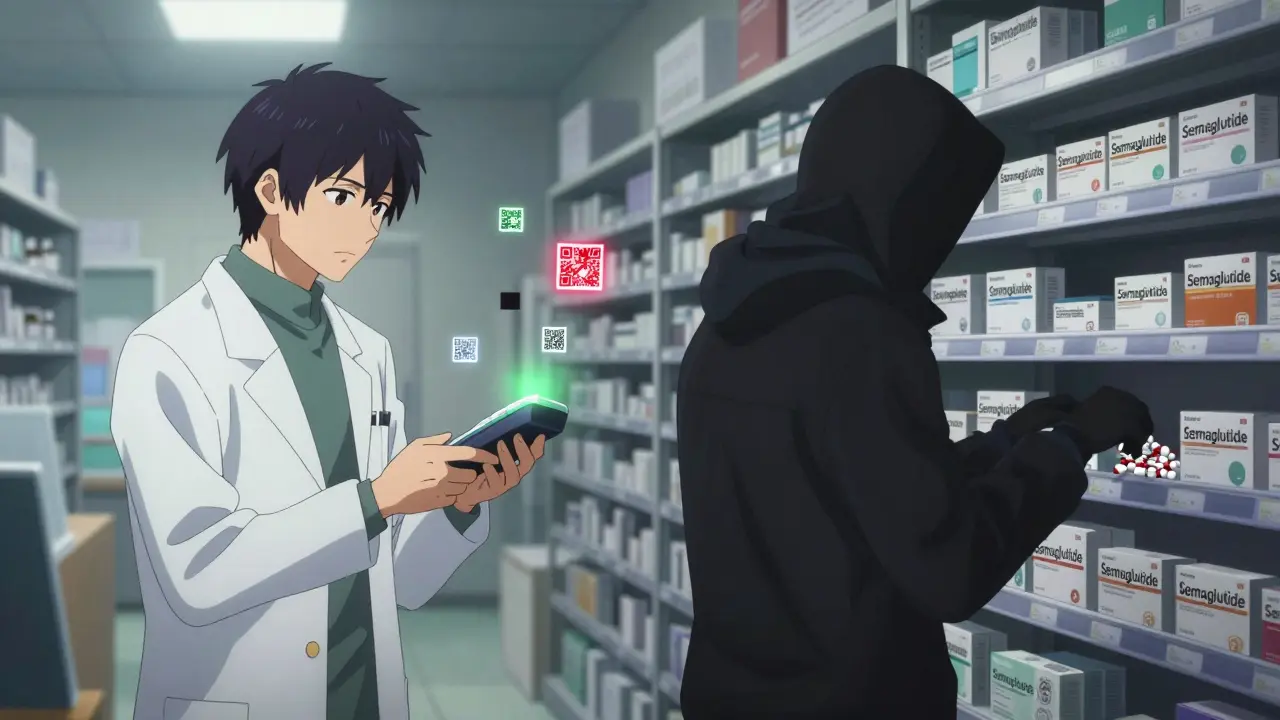
How Can You Spot a Fake?
Counterfeiters are getting better. Many fakes now have holograms, QR codes, and even tamper-evident seals. But they still make mistakes. Here’s what to check:- Spelling and grammar: Look closely at the label. Is “Pharmaceutical” misspelled? Is the font slightly off? Even small errors are red flags.
- Packaging quality: Real packaging is crisp. The colors are consistent. The barcode scans cleanly. Fakes often have blurry printing or mismatched colors.
- Price: If it’s way cheaper than the real thing, it’s probably fake. Legitimate generics cost 80-85% less than brand names. Anything below 50% of that price? Run.
- Where you buy: Only buy from pharmacies that are licensed and display the VIPPS seal (Verified Internet Pharmacy Practice Sites). If a website doesn’t list a physical address or requires no prescription, it’s illegal.
- Look and feel of the pill: Compare it to a previous batch. Is it a different color? Smaller? Has a weird smell? Does it crumble when you touch it?
Why Does This Even Matter?
It’s not just about wasting money. It’s about your life. If you’re taking a fake diabetes drug, your blood sugar could spike. If you’re on a fake antibiotic, your infection could spread. If you’re using a fake cancer drug, your tumor could grow unchecked. A patient in Australia reported on Reddit in August 2025 that after three months of taking what she thought was Ozempic, her weight didn’t drop-and her blood sugar went up. She later confirmed it was fake. She had to restart treatment from scratch, risking complications. And then there’s antimicrobial resistance. When fake antibiotics don’t kill all the bacteria, the survivors become stronger. The Review on Antimicrobial Resistance estimates that by 2050, 10 million people a year could die from infections that no longer respond to treatment-partly because of counterfeit drugs.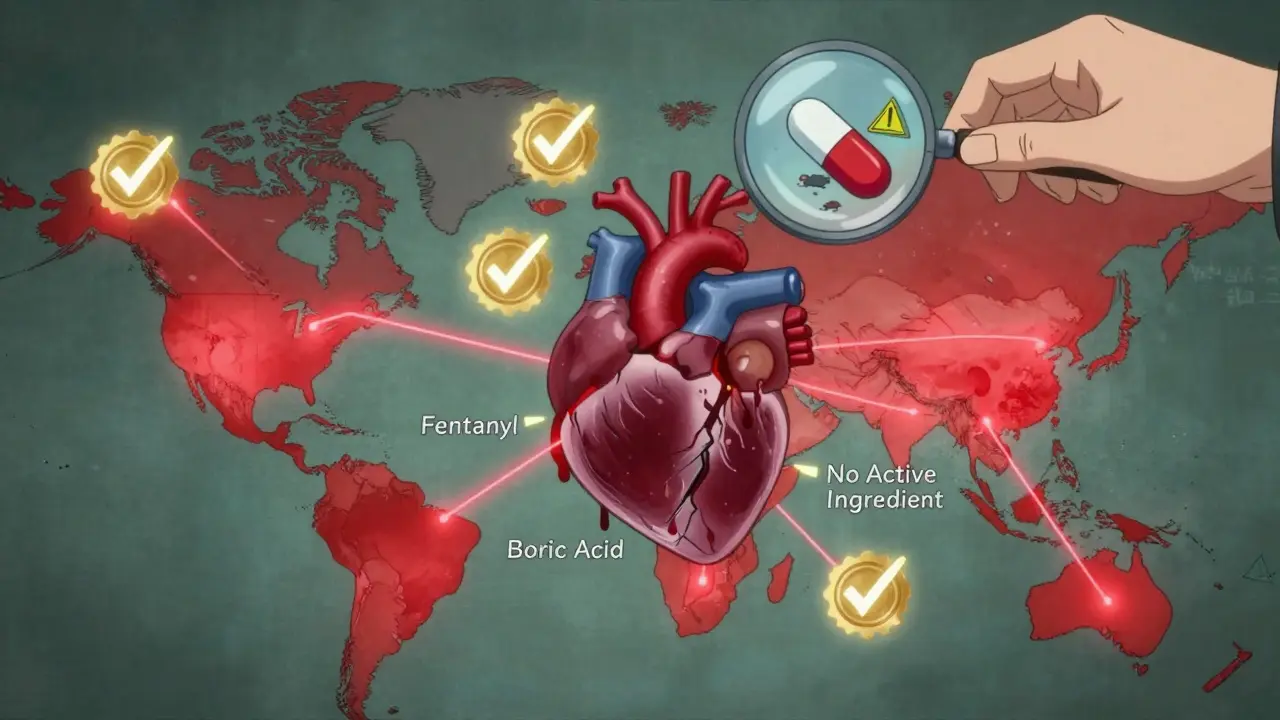
How to Buy Safely
Here’s your practical checklist:- Buy from licensed pharmacies only. Use the VIPPS seal as your guide. Check the FDA’s list of verified online pharmacies.
- Never buy from social media ads. Instagram, Facebook, TikTok, and Telegram are flooded with fake pharmacy accounts.
- Ask your pharmacist to verify. If you’re unsure, ask them to compare your medication to the manufacturer’s sample.
- Use verification apps. Apps like TrueMed (rated 4.7/5 on Google Play) let you scan barcodes and check authenticity. Over 1,200 users reported success verifying erectile dysfunction meds.
- Report suspicious products. Use the FDA’s MedWatch program or call Pfizer’s Anti-Counterfeiting Hotline at 1-800-593-5685. Your report could save someone’s life.
What’s Being Done?
Governments and companies are fighting back. The EU requires safety features on all prescription drug packaging since 2019. India now mandates QR codes on every active ingredient container. Blockchain systems are being tested in 15 countries-and have already cut counterfeits by 22% in pilot programs. In November 2025, the FDA released new guidance requiring stricter verification for high-risk generics like semaglutide. Thirty-eight U.S. state attorneys general pushed for this change after dozens of fake Ozempic cases surfaced. But the fight isn’t over. Criminal networks are using AI to generate fake packaging that looks perfect to the human eye. They’re targeting telemedicine platforms, where prescriptions are issued quickly and inspections are rare.What You Can Do Today
You don’t need to be a scientist to protect yourself. Just be smart.- Don’t trust a website just because it looks professional.
- Don’t buy meds without a prescription unless you’re 100% sure of the source.
- If something feels off, stop. Don’t take it.
- Teach your parents, grandparents, or friends how to check their meds. They’re the most vulnerable.
How can I tell if my Ozempic pen is fake?
Use Novo Nordisk’s official “Verify Your Pen” tool. Scan the QR code on the pen with your phone. If it says the pen is authentic, it’s likely real. If it flags it as suspicious, stop using it immediately. Also check the packaging for spelling errors, mismatched colors, or a missing serial number. Real pens have a consistent texture and smooth click. Fakes often feel cheap or sticky.
Are all online pharmacies dangerous?
No-but 89% of online pharmacies that hide their physical address are illegal, according to the FDA. Only buy from pharmacies that display the VIPPS seal (Verified Internet Pharmacy Practice Sites). These are verified by the National Association of Boards of Pharmacy. If the site doesn’t list a street address, phone number, or licensed pharmacist, walk away.
Can counterfeit drugs be deadly?
Yes. Fake antibiotics can lead to untreatable infections. Fake painkillers may contain fentanyl. Fake cancer drugs can allow tumors to grow. In 2025, Nigerian patients were hospitalized with liver failure after taking counterfeit malaria pills. Even if you don’t feel sick right away, long-term exposure to incorrect ingredients can cause organ damage or drug resistance.
Why are counterfeit generics so common in low-income countries?
Weak regulation, limited inspection resources, and high demand for affordable medicine create the perfect environment for fakes. WHO estimates that 1 in 10 medicines in low- and middle-income countries are substandard or falsified. In some African regions, the number is as high as 70%. Criminals target these areas because enforcement is minimal and people have few alternatives.
What should I do if I think I’ve taken a fake medication?
Stop taking it immediately. Contact your doctor or pharmacist to discuss your symptoms and get a replacement. Report the product to your country’s health authority-like the FDA’s MedWatch program in the U.S. or NAFDAC in Nigeria. Save the packaging and any receipts. If you’re in Australia, report it to the Therapeutic Goods Administration (TGA). Your report helps track these crimes and prevent others from being harmed.
Is there a way to verify my meds without an app?
Yes. Check the National Drug Code (NDC) number on the packaging. Look it up on the FDA’s NDC Directory. If the code doesn’t match the manufacturer or product name, it’s fake. Also, compare your pills to photos on the manufacturer’s official website. Look for differences in size, color, or imprint. If you’re unsure, take it to a licensed pharmacist-they can often spot fakes just by sight.


Graham Holborn
Hi, I'm Caspian Osterholm, a pharmaceutical expert with a passion for writing about medication and diseases. Through years of experience in the industry, I've developed a comprehensive understanding of various medications and their impact on health. I enjoy researching and sharing my knowledge with others, aiming to inform and educate people on the importance of pharmaceuticals in managing and treating different health conditions. My ultimate goal is to help people make informed decisions about their health and well-being.