
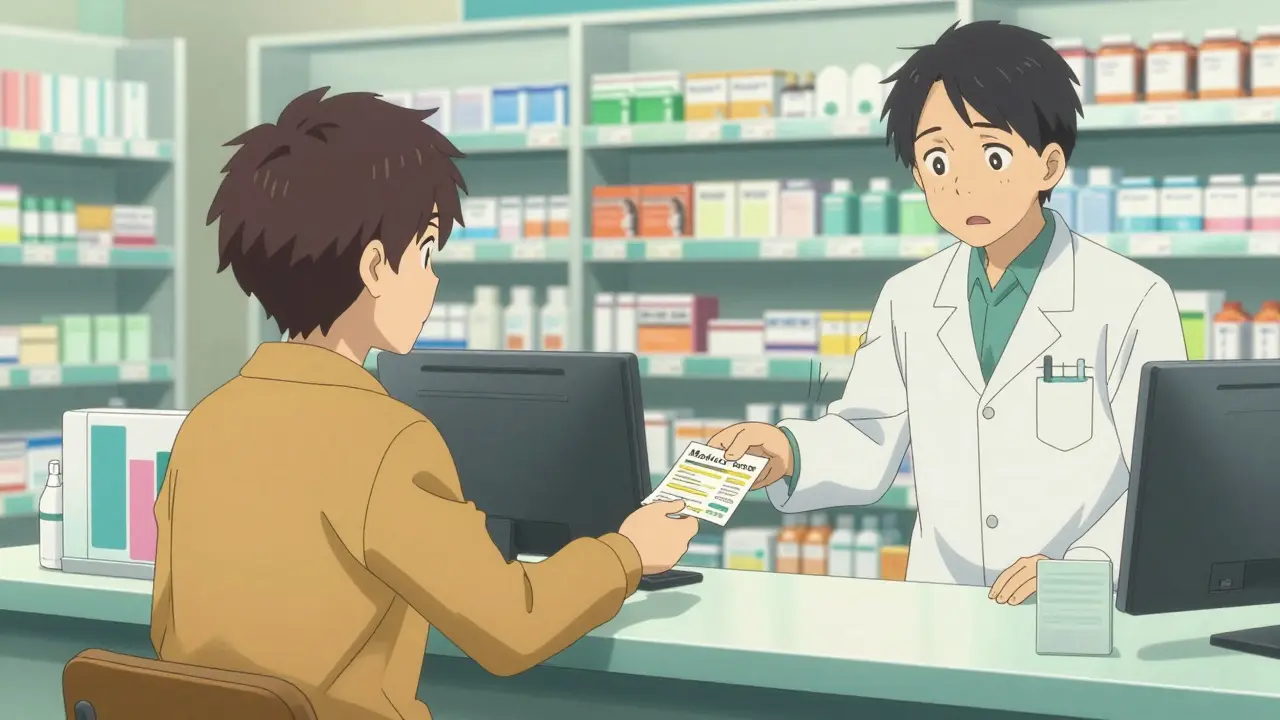
When you pick up a prescription for certain high-risk medications, you might be handed a small paper booklet with bold headers and dense text. That’s a Medication Guide - and it’s not optional. The U.S. Food and Drug Administration (FDA) requires these guides for drugs that carry serious risks, where misunderstanding the instructions could lead to hospitalization, permanent injury, or even death. These aren’t marketing brochures. They’re legally mandated safety tools. But if you’ve ever tried to find one after your prescription was filled, or wondered why you didn’t get one at all, you’re not alone.
What Are FDA Medication Guides, and Why Do They Exist?
Medication Guides (MGs) are FDA-approved documents that explain the most important safety information about certain prescription drugs. They’re not the same as the standard patient information sheets you get with over-the-counter meds. These guides are only required for drugs that meet one or more of three strict criteria: the drug has serious risks that could affect whether a patient decides to take it, patient adherence is critical for the drug to work, or the guide itself could prevent a serious side effect.
Since 2006, the number of drugs requiring these guides has jumped from 40 to over 300. That’s an eight-fold increase in just five years. And yet, a 2012 study found that most of these guides still failed to meet basic federal readability standards. They’re often too long, too technical, or poorly organized. The FDA itself admits this - which is why they’re now pushing a new system called Patient Medication Information (PMI) to replace them.
When Are You Supposed to Get a Medication Guide?
You should receive a Medication Guide every time you fill a prescription for a drug that requires one - whether it’s your first time or your tenth refill. This applies to outpatient settings: community pharmacies, mail-order services, clinics, dialysis centers, and infusion facilities. If you’re getting the drug in a hospital while admitted, you won’t automatically get one - unless you ask for it.
Some drugs require Medication Guides as part of a Risk Evaluation and Mitigation Strategy (REMS). These are stricter safety programs for drugs with the highest risk profiles - like blood thinners, certain cancer treatments, or drugs that can cause birth defects. In these cases, your doctor or pharmacist might need to review the guide with you before you can start the medication.
Even if your doctor says you don’t need to read it, you still have the right to ask for the guide. The FDA is clear: patients can request a Medication Guide regardless of what their prescriber recommends.
How to Get a Medication Guide If You Didn’t Receive One
Pharmacists are legally required to hand you the guide when you pick up your prescription - but mistakes happen. Maybe they ran out. Maybe they assumed you already had it. Maybe they thought you’d read it online. If you don’t get one, don’t walk out without asking.
Here’s what to do:
- Ask the pharmacist directly: “Is there a Medication Guide for this drug?”
- If they say no, ask: “Is this drug required by the FDA to have a guide?”
- If they’re unsure, request they check the FDA’s online database or contact the manufacturer.
- Insist on getting it - you have a legal right to it.
Some pharmacies will give you a printed copy on the spot. Others may need to order it from the manufacturer. That can take a day or two. But if you’re starting a new medication with serious risks - like a blood thinner or a psychiatric drug - don’t wait. Call the pharmacy back if you haven’t received it within 48 hours.
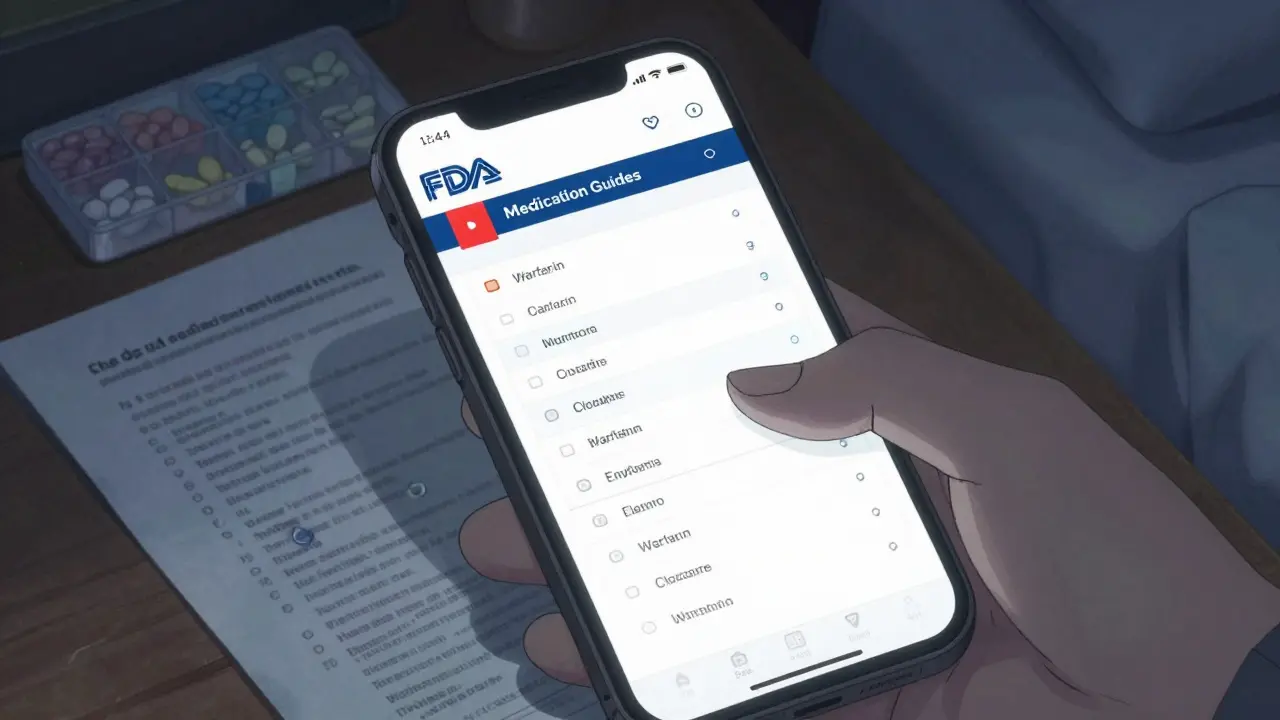
How to Access Medication Guides Electronically
You don’t have to accept a paper copy. The FDA allows patients to request electronic versions instead. Many pharmacies now offer this option through their apps or patient portals. You might get a link via email or text, or be able to download it directly from your pharmacy’s website.
But here’s the catch: paper is still the default. Unless you specifically ask for electronic, you’ll get printed. And many patients don’t know they have a choice.
If you prefer digital:
- Ask your pharmacist: “Can I get this guide in PDF or email form?”
- Check your pharmacy’s app or patient portal - many list Medication Guides under “My Medications.”
- Go directly to the FDA’s website: fda.gov/drugs/medication-guides - search by drug name to find approved guides.
The FDA maintains a public, searchable database of every approved Medication Guide. It’s free, updated regularly, and doesn’t require registration. This is the most reliable source - even more so than the manufacturer’s website, which may not always have the latest version.
What’s Inside a Medication Guide?
By law, every guide must include specific information in plain language. Here’s what you should see:
- The brand and generic name of the drug
- A clear explanation of why the drug is prescribed
- A list of the most serious risks - including side effects that require immediate medical attention
- Common side effects and what to do if they occur
- Instructions for how to take the drug correctly
- What to avoid while taking it (alcohol, other drugs, foods)
- What to do if you miss a dose or take too much
- Contact information for the drug manufacturer
Look for the heading “Important Information About [Drug Name]” - that’s where the FDA requires the most critical safety details to be placed. Don’t skip this section, even if the rest feels overwhelming.
The Big Change Coming: Patient Medication Information (PMI)
The current Medication Guide system is broken. It’s inconsistent. Some guides are three pages long. Others are five. Some use small fonts. Others cram text into narrow columns. A 2012 study found that despite the massive increase in required guides, their readability hadn’t improved - and many were worse than the federal government’s own standards for patient education.
In 2023, the FDA proposed a major overhaul: Patient Medication Information (PMI). This new system would replace all current Medication Guides with a single, standardized one-page document. It would follow a strict format with fixed headings, clear fonts, and simple language. Every PMI would be stored in a free, public FDA-managed online database.
Here’s how the transition works:
- Drugs approved on or after the PMI rule takes effect: Must use PMI from day one.
- Drugs approved between 2013 and 2022 with existing guides: Must switch to PMI within one year.
- Drugs approved between 2003 and 2012: Have five years to update.
This change is a big deal. It means no more confusing, inconsistent guides. Just one clear, easy-to-read page - available online, printable, or sent electronically. The goal? To make sure patients actually read and understand the safety info.
What You Can Do Right Now
You don’t have to wait for the PMI system to improve your safety. Here’s your action plan:
- Know which of your medications require a guide. Check the FDA’s database or ask your pharmacist.
- Always ask for the Medication Guide when you pick up a new prescription - even if it’s a refill.
- Request the electronic version if you prefer it. Save it on your phone or print a copy.
- Read the guide before taking the drug. Don’t assume you know how it works.
- Bring the guide to your next doctor’s appointment. Ask questions if anything is unclear.
If you’re caring for someone else - a parent, spouse, or child - make sure they have access to the guide too. Many older adults don’t know they can ask for it. And if they’re on multiple high-risk drugs, the guides are essential for avoiding dangerous interactions.
Final Thought: Your Right to Know
Medication Guides exist because people have been hurt - sometimes fatally - because they didn’t understand the risks of their drugs. The FDA didn’t create them to make life harder for pharmacists. They were created to save lives. And you have the right to every piece of information they contain.
Don’t let confusion, convenience, or assumptions stop you. If you’re on a drug that carries serious risks, you deserve a clear, accessible guide. And if you don’t get one - ask again. And again. Because your safety depends on it.


Graham Holborn
Hi, I'm Caspian Osterholm, a pharmaceutical expert with a passion for writing about medication and diseases. Through years of experience in the industry, I've developed a comprehensive understanding of various medications and their impact on health. I enjoy researching and sharing my knowledge with others, aiming to inform and educate people on the importance of pharmaceuticals in managing and treating different health conditions. My ultimate goal is to help people make informed decisions about their health and well-being.