
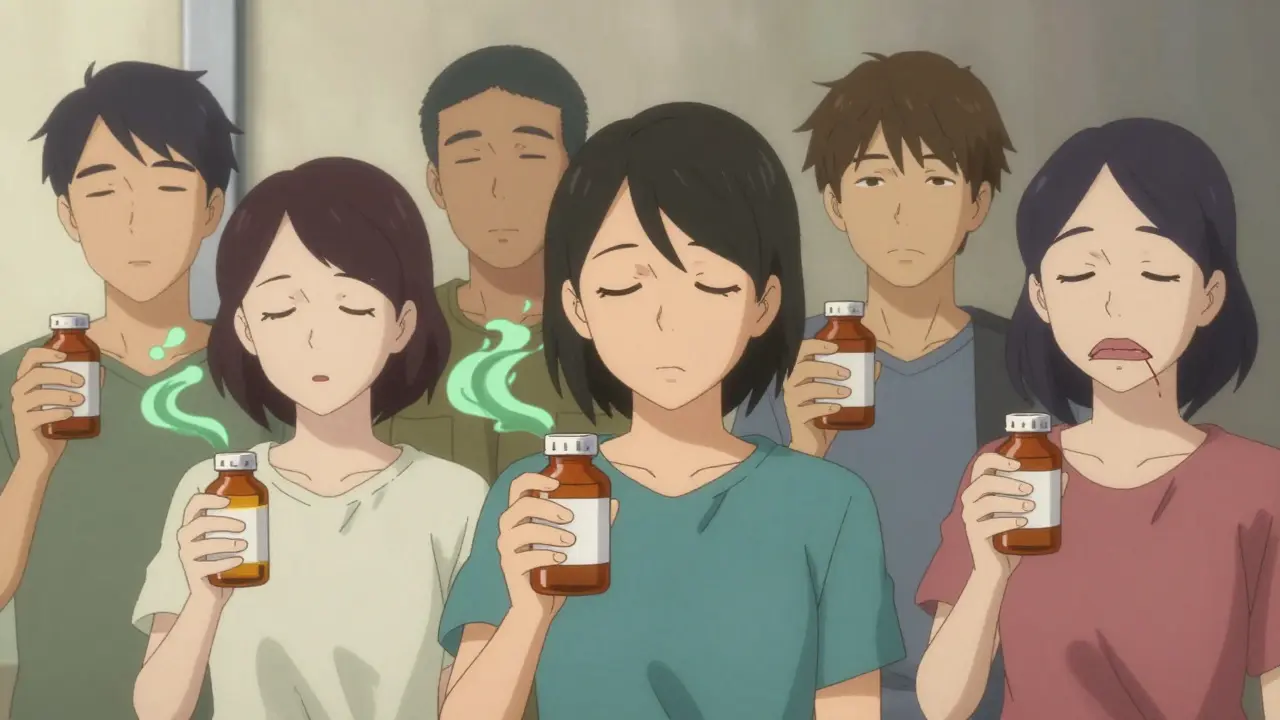
Almost everyone takes medication at some point - whether it’s a daily pill for blood pressure, an antibiotic for an infection, or a painkiller after a workout. But while these drugs help, they can also cause unexpected problems. Not every side effect is dangerous, but knowing which ones are normal and which ones need urgent attention can make all the difference.
What Counts as a Side Effect?
A side effect, or adverse drug reaction (ADR), is any unwanted reaction to a medicine taken at the right dose. It’s not a mistake - it’s a known possibility built into how the drug works. Think of it like a car’s airbag: it saves lives in a crash, but it can also give you a bruise. Some side effects are mild and fade quickly. Others can be serious - even life-threatening.Most side effects fall into two categories. Type A reactions are predictable. They happen because of how the drug affects your body - like drowsiness from an antihistamine or stomach upset from an antibiotic. These make up 75-80% of all reactions. Type B reactions are rare and unpredictable. They’re often allergic or immune-based, like a sudden rash or swelling that comes out of nowhere. These are harder to anticipate but can be far more dangerous.
Most Common Side Effects You’ll Actually Experience
You’ve probably felt at least one of these:
- Nausea or upset stomach - This is the #1 complaint. Almost every drug that goes through your gut can irritate it. Even something as simple as ibuprofen can cause this.
- Constipation or diarrhea - Opioids and some blood pressure meds cause constipation. Antibiotics and acid blockers like omeprazole often lead to diarrhea.
- Drowsiness or fatigue - Antihistamines, anti-anxiety meds like Xanax, and even some antidepressants slow you down. This isn’t just "feeling tired" - it’s enough to make driving risky.
- Dizziness or lightheadedness - Common with blood pressure drugs, diuretics, and sedatives. For older adults, this increases fall risk dramatically.
- Headache - Surprisingly common, even with drugs meant to treat headaches. Sometimes it’s a rebound effect.
- Dry mouth - A side effect of antidepressants, antihistamines, and many heart medications. It’s annoying, but it can also lead to tooth decay if ignored.
- Rash or itching - Could be harmless, or it could be the start of something serious. Don’t brush it off.
According to Harvard Health, these are the most frequent and frustrating side effects patients report. And they’re not rare - the FDA says if more than 1% of people taking a drug experience it, it’s labeled "common." For many medications, that means 1 in 10 people will feel something like this.
When a Side Effect Is Actually an Emergency
Not every weird feeling means you need to rush to the hospital. But some reactions demand immediate action. The FDA defines a serious side effect as one that causes:
- Death
- Life-threatening symptoms
- Hospitalization
- Permanent damage
- Birth defects
Here’s what to watch for:
- Anaphylaxis - Sudden swelling of the lips, tongue, or throat. Trouble breathing. Hives. Rapid heartbeat. This can kill in minutes. Call emergency services right away.
- Stevens-Johnson Syndrome (SJS) or Toxic Epidermal Necrolysis (TEN) - A blistering, peeling rash that spreads fast. Often starts like the flu, then the skin begins to slough off. Think severe sunburn that turns into open wounds. This is a medical emergency.
- DRESS syndrome - Rash, swollen lymph nodes, fever, and liver or kidney damage. Often appears weeks after starting a new drug.
- Internal bleeding - Unexplained bruising, blood in stool or urine, vomiting blood. Common with blood thinners like warfarin or even aspirin if taken long-term.
- Abnormal heart rhythms - Fluttering chest, racing pulse, fainting. Some antibiotics, antidepressants, and even antacids can trigger this.
- Suicidal thoughts - Especially with antidepressants, mood stabilizers, or even some seizure meds. If you or someone you know starts having dark thoughts after starting a new drug, tell a doctor immediately.
One real-world example: the psoriasis drug Raptiva was pulled from the market in 2009 after causing rare but fatal brain infections. It had a "black box warning" - the strongest alert the FDA can give - before it was removed. That’s why reporting even rare side effects matters.
Special Cases: Cancer Drugs, Elderly Patients, and Over-the-Counter Risks
Cancer treatments are brutal by design. Chemotherapy kills fast-growing cells - which includes hair follicles, gut lining, and bone marrow. That’s why patients often get:
- Severe fatigue
- Hair loss (usually temporary)
- Bruising or bleeding easily
- Increased infection risk
- Nausea, vomiting, diarrhea, or constipation
Radiation therapy has its own patterns. Head or neck radiation often causes dry mouth and trouble swallowing. Pelvic radiation can lead to infertility or early menopause. These aren’t "side effects" - they’re expected outcomes. But they still need managing.
Older adults are at higher risk. People over 65 experience adverse reactions at nearly three times the rate of middle-aged adults. Why? They often take multiple drugs. Their kidneys and liver don’t process meds as well. And drugs like benzodiazepines (Xanax, Ativan) can cause confusion, falls, or delirium - sometimes mistaken for dementia.
Even OTC meds carry hidden dangers. Naproxen (Aleve) can cause stomach bleeding. Diphenhydramine (Benadryl) blocks acetylcholine - which leads to dry mouth, drowsiness, and even memory problems in seniors. Many don’t realize it’s a drug at all.
Drug Interactions: The Silent Trigger
Side effects aren’t always from one drug alone. Mixing things can turn a mild reaction into a crisis.
- Alcohol + painkillers - This combo has killed people. The liver can’t handle both. Drowsiness turns into unconsciousness.
- Grapefruit juice + statins or blood pressure meds - Grapefruit blocks an enzyme that breaks down drugs. Result? Too much drug in your system. One glass can raise levels by 300%.
- Antibiotics + birth control - Some antibiotics can make the pill less effective. Not all - but you can’t assume it’s safe.
- Herbs and supplements - St. John’s Wort can interfere with antidepressants, blood thinners, and even birth control. Garlic and ginkgo can thin the blood.
A 2022 study found that nearly half of all people stop taking their meds within a year - mostly because of side effects. Gastrointestinal issues alone caused 28% of those dropouts. If you’re quitting because of discomfort, talk to your doctor. There’s often a better option.
What to Do When You Notice a Side Effect
Don’t panic. But don’t ignore it either.
- Check the leaflet - Every prescription comes with a patient info sheet. Look up your symptoms.
- Track it - Write down when it started, how bad it is, and if anything makes it better or worse. Include the time of day and what else you took.
- Call your doctor - If it’s new, worsening, or bothering you - tell them. Even if you think it’s "not a big deal."
- Don’t stop cold turkey - Some meds, like antidepressants or blood pressure pills, can cause dangerous withdrawal if stopped suddenly.
- Ask about alternatives - Maybe there’s a different drug with fewer side effects. Or a lower dose.
For serious symptoms - like trouble breathing, chest pain, or skin peeling - go to the ER. Don’t wait.
How to Report Side Effects - And Why It Matters
Most side effects go unreported. Studies show less than 5% of all adverse reactions make it into official databases. That’s a problem. If no one reports them, regulators can’t spot patterns.
In the U.S., you can report to the FDA’s MedWatch program. In Australia, it’s the TGA’s Adverse Drug Reaction Reporting System. In the UK, it’s the Yellow Card Scheme. You don’t need to be a doctor. Patients can report directly.
Why bother? Because your report might save someone else’s life. The FDA reviewed over 1.8 million reports last year. Many led to updated warnings, dosage changes, or even drug withdrawals. Your voice adds data to a system that protects millions.
Final Thought: You’re Not Overreacting
Medications save lives. But they’re not harmless. Side effects aren’t a sign you’re weak or doing something wrong. They’re part of the trade-off. The goal isn’t to avoid all discomfort - it’s to recognize what’s normal and what’s dangerous.
If you’re unsure, always ask. Your pharmacist, nurse, or doctor has seen this before. They’ve helped others through the same thing. You’re not alone. And you’re not being dramatic - you’re being smart.
Are all side effects dangerous?
No. Many side effects - like mild nausea, drowsiness, or dry mouth - are common and not harmful. They often fade after a few days as your body adjusts. But if they’re severe, persistent, or new, they need attention. Always check with your doctor if you’re unsure.
Can I just stop taking my medicine if the side effects bother me?
No. Stopping suddenly can be dangerous. Blood pressure meds can cause rebound spikes. Antidepressants can trigger withdrawal symptoms like dizziness, nausea, or even seizures. Always talk to your doctor first. They can help you taper off safely or switch to a different drug.
Why do older adults have more side effects?
Older adults often take multiple medications at once, which increases the chance of interactions. Their liver and kidneys process drugs more slowly, so medications stay in their system longer. Changes in body fat and water levels also affect how drugs are absorbed. Plus, conditions like kidney disease or diabetes can make side effects worse.
Can over-the-counter drugs cause serious side effects?
Absolutely. NSAIDs like ibuprofen and naproxen can cause stomach bleeding, especially with long-term use. Antihistamines like Benadryl can cause confusion and falls in seniors. Even acetaminophen (Tylenol) can damage the liver if taken in excess or with alcohol. Just because it’s sold without a prescription doesn’t mean it’s safe.
How long should I wait before reporting a side effect?
Don’t wait. If a side effect is new, worsening, or concerning - report it now. For serious symptoms like trouble breathing, chest pain, or skin peeling, go to the ER immediately. For milder issues, call your doctor within 24-48 hours. Early reporting helps catch patterns before more people are affected.
Is it safe to use grapefruit juice with my meds?
It depends. Grapefruit juice can dangerously increase the levels of certain drugs in your blood - especially statins for cholesterol, some blood pressure medications, and certain anti-anxiety drugs. Even one glass can have an effect. Always check with your pharmacist or doctor before drinking grapefruit juice if you’re on medication.
Can I report side effects even if I’m not sure they’re linked to the drug?
Yes. Regulatory agencies like the FDA and TGA welcome all reports, even if you’re uncertain. They analyze timing, other medications, and patterns across thousands of reports. If enough people report the same issue, it becomes clear. Your report could be the one that triggers a safety update.


Graham Holborn
Hi, I'm Caspian Osterholm, a pharmaceutical expert with a passion for writing about medication and diseases. Through years of experience in the industry, I've developed a comprehensive understanding of various medications and their impact on health. I enjoy researching and sharing my knowledge with others, aiming to inform and educate people on the importance of pharmaceuticals in managing and treating different health conditions. My ultimate goal is to help people make informed decisions about their health and well-being.