
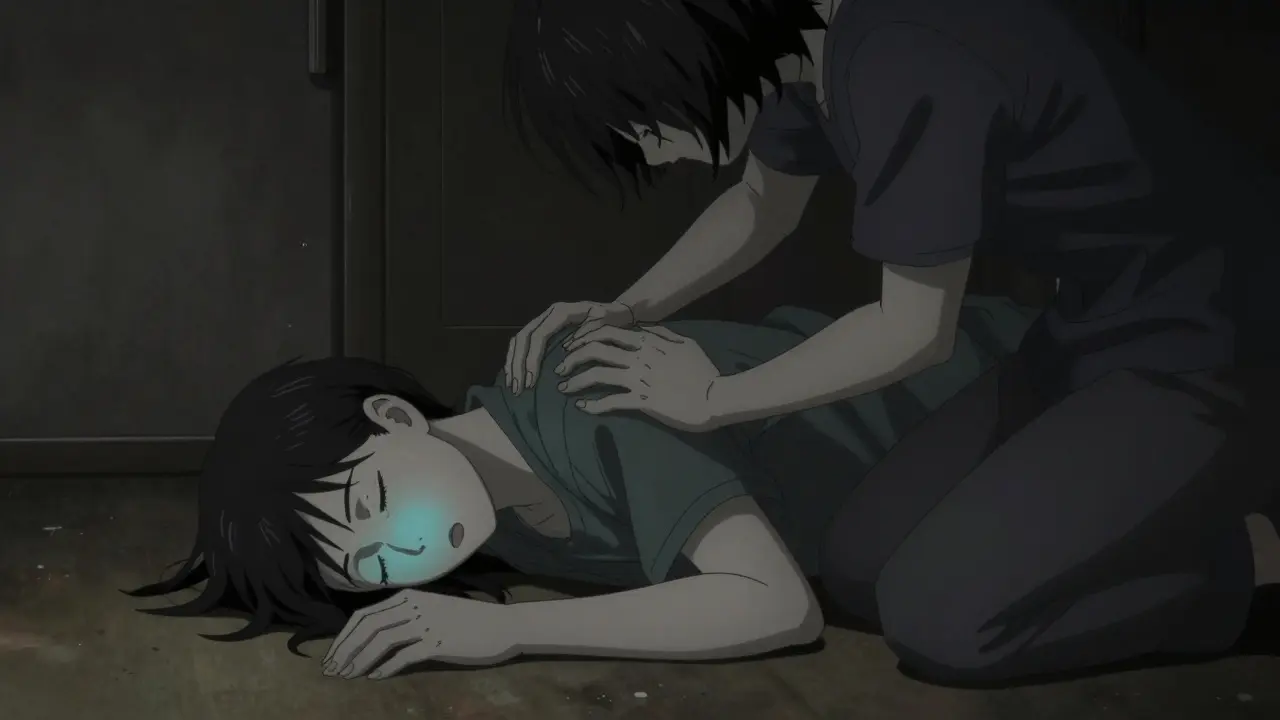
Opioid Overdose Symptom Checker & Action Plan
Current Condition Assessment
Select all symptoms observed in the person. Checking "None" indicates no immediate emergency.
How does Naloxone work?
Think of opioids as a key jamming your breathing lock. Naloxone kicks that key out instantly. However, it wears off in 30-90 minutes, while the drug may last longer. This is why hospital monitoring is essential even after they wake up.
Oxygen deprivation kills brain cells faster than you might realize. When someone stops breathing, irreversible damage starts happening within minutes. That window is all you have when dealing with an Opioid Overdose is a life-threatening condition where opioids suppress the brainstem's ability to control breathing, leading to respiratory failure and potential death.. It’s terrifying to think about, but knowing exactly what to do can mean the difference between a tragedy and a second chance. If you are reading this, you likely know someone who uses painkillers or recreational opioids, or perhaps you just want to be prepared for the worst-case scenario. This isn't just medical jargon; it’s practical survival knowledge that belongs in your pocket alongside your phone.
Understanding the Mechanism of Danger
To understand why this is so urgent, we need to look at how these drugs interact with our bodies. Opioids aren't unique to modern medicine; people have used opium derived from the poppy plant since ancient times. However, today's crisis involves synthetic compounds like fentanyl, which are exponentially stronger than natural morphine. When opioids enter your system, they latch onto specific receptors in your brain. These receptors are essentially the "on switches" for breathing signals sent from your brainstem to your lungs.
The problem arises because these drugs bind too tightly. They block the signal telling your diaphragm and chest muscles to move. The result is respiratory depression-a slowing down of breaths until they stop completely. While you might feel sleepy from the sedative effect, the victim often doesn't feel it. Their body simply forgets to breathe. This leads to hypoxia, a state where oxygen levels drop dangerously low. Without immediate intervention, organ failure follows quickly. The brain is the first to suffer, followed by the heart and kidneys.
The Classic Warning Signs You Can't Miss
You don't need to be a doctor to spot the danger. There is a recognizable pattern that appears almost every time an overdose occurs. Medical professionals call this the "triad," which consists of three primary symptoms. First, you'll notice unresponsiveness. Shake the person's shoulders gently and shout their name. If they slip back into unconsciousness immediately, that is a major red flag.
Second, check their pupils. Normally, pupils adjust to light. In an overdose, the opioids cause the pupils to constrict to pinpricks, often called "pinpoint pupils." While this isn't present in every single case-especially if other drugs are involved-it is a classic hallmark. Third, observe the breathing. Is it slow? Gurgling? Or absent? A healthy adult breathes 12 to 20 times a minute. An overdosing person might be taking less than four breaths, or they might be gasping in intervals of ten seconds. That gap is fatal.
Beyond the triad, look for skin color changes. Lack of oxygen causes blood to lose its brightness, turning lips, fingertips, and nail beds blue, purple, or gray (cyanosis). Skin may also feel cold and clammy to the touch. Sometimes, a distinct sound accompanies the silence: a snoring noise that sounds heavy or wet. This isn't normal sleep snoring; it's air struggling to pass through loose throat muscles that have collapsed due to sedation.
| Symptom Category | Specific Signs | Clinical Meaning |
|---|---|---|
| Consciousness | Unresponsive, limp body | CNS Depression |
| Pupils | Pinpoint size (Miosis) | Opioid Receptor Activation |
| Respiration | Slow, shallow, gurgling | Brainstem Suppression |
| Complexion | Blue/pale lips, clammy skin | Hypoxia/Oxygen Deprivation |
Step-by-Step Emergency Response Protocol
If you see these signs, panic is your enemy. Speed is your ally. Time is literally brain tissue. We are talking about the space between now and permanent damage. Here is exactly what you need to do right now:
- Call Emergency Services Immediately. In Australia, dial 000. Tell them clearly, "I suspect an opioid overdose." Paramedics are trained for this, and they can guide you over the phone. Do not wait to see if the person wakes up before calling.
- Check Breathing Again. Put your ear near their mouth and nose. Look at the chest rising. If they aren't breathing, this is cardiac arrest territory, but specifically, it's a lack of drive.
- Administer Naloxone. If you have access to Narcan or another brand of naloxone, use it now. Most kits are nasal sprays. Squirt it into one nostril firmly. If you have an injectable version, aim for the thigh muscle.
- Place in Recovery Position. Roll them onto their side. This keeps the airway open and prevents them from choking on vomit, which is common when drugs wear off or they wake up confused.
- Stay With Them. Do not leave them alone. Even after they wake up, they could re-overdose later.
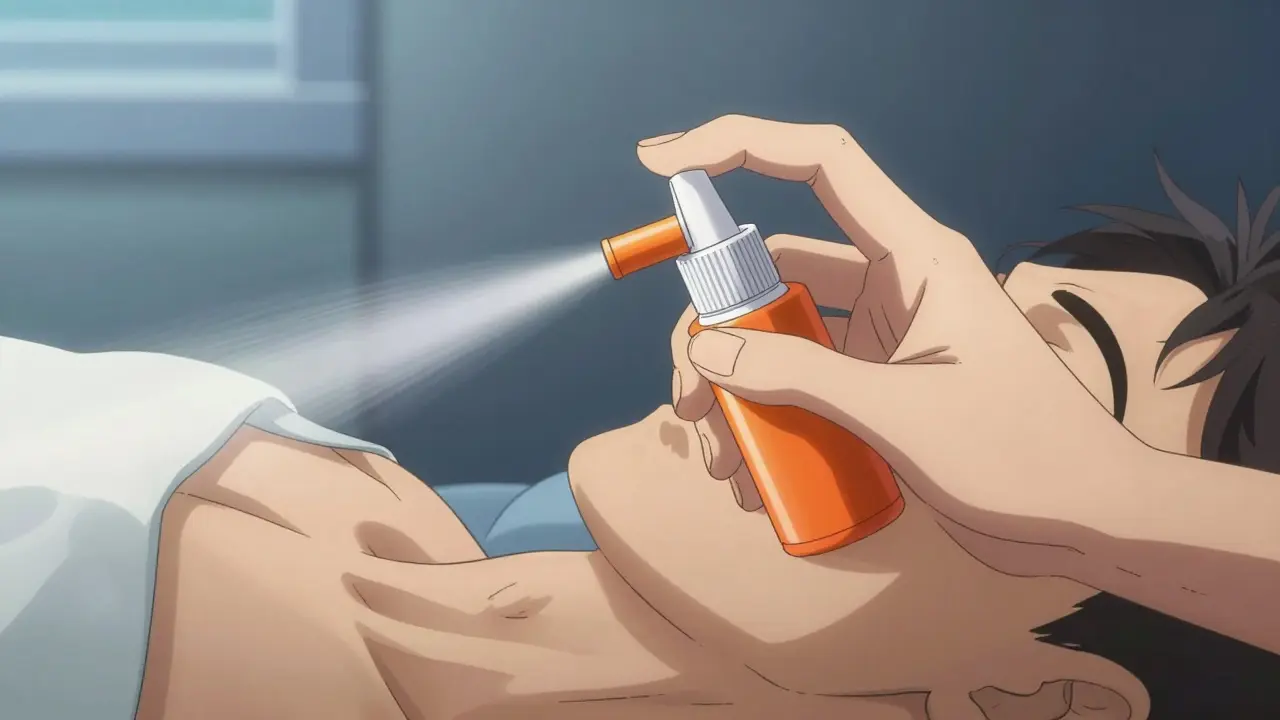
How Naloxone Works and Why Timing Matters
Naloxone is the antidote to this poison. Think of the opioid molecules as large, sticky keys jammed into the breathing locks in your brain. Naloxone acts like a master key that fits into those same locks but pushes the sticky keys out. Once it binds to the receptor, it blocks the opioids instantly.
You usually see a reaction within two to five minutes. The person starts breathing again. They might gasp, cough, or become agitated. Agitation is actually a good sign here-it means the brain is waking up. However, there is a catch that catches many people off guard. Naloxone doesn't last forever. Depending on the dose and the person's metabolism, it leaves the system in about 30 to 90 minutes.
The opioids causing the overdose, however, might stay active for much longer. If the person took a strong batch of fentanyl, the antidote wearing off means the drugs can take hold again. This phenomenon is called "re-overdose." This is why calling emergency services is non-negotiable. Even if you revive them at home, they need monitoring at a hospital to receive additional doses via IV or other treatments. You are buying time, not necessarily a permanent cure.
Another critical point: Naloxone has no effect on someone who hasn't taken opioids. It won't hurt them. People sometimes hesitate to give it because they aren't sure if the person was high or just sleeping. Don't hesitate. In a suspected overdose, always assume the worse. A false alarm is far better than a death certificate.
The Hidden Threat of Polysubstance Mixing
The situation is getting more complex because few overdoses involve a single drug anymore. Many illicit pills sold as Xanax or ecstasy actually contain fentanyl. This is a major reason why street drugs are so dangerous. The user thinks they are buying something safe, but they are ingesting a massive dose of concentrated synthetic opioid.
Mixing opioids with other depressants, like alcohol or benzodiazepines, creates a synergistic effect. Instead of 1 + 1 = 2, the impact on breathing becomes exponential. The brain shuts down completely. Even prescription opioids, like oxycodone or hydrocodone, can lead to fatal overdoses if combined with other substances or taken in higher-than-prescribed amounts.
While some regions are promoting testing tools like fentanyl test strips, they aren't foolproof. They require water extraction and proper timing to read. Relying on them for safety gives a false sense of security. The only real protection is access to naloxone and avoiding use in isolation.
What Happens After the Revival?
Waking up from an overdose is physically traumatic. The body goes into withdrawal abruptly. Imagine being asleep suddenly ripped awake, vomiting, sweating, shivering, and experiencing intense anxiety. This is known as acute withdrawal syndrome triggered by the rapid displacement of the drug.
This is a vulnerable moment for both the patient and the bystander. You need to stay calm and reassure them. Do not restrain them physically; the shock of waking up can make anyone fight for their life instinctively. Explain that you administered naloxone and help is coming.
Medical follow-up is essential. Beyond checking for internal injuries caused by the fall or seizure activity, doctors need to screen for infection, particularly if the person injected drugs. They also need a referral for addiction treatment. Recovery is difficult, but surviving the night is the necessary first step. Many health departments now offer support programs specifically for post-overdose care, connecting survivors with mental health specialists to create prevention plans for the future.
Preparation and Community Safety
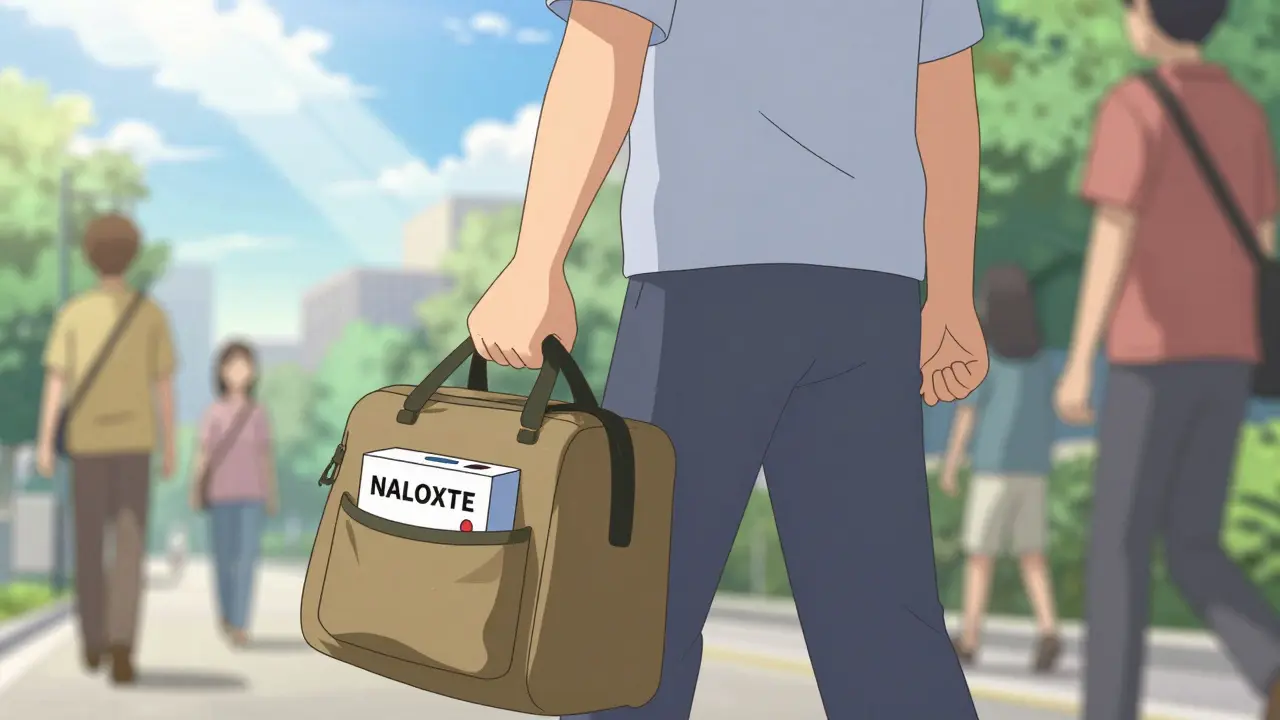
In places like Perth, Australia, community initiatives are growing. You don't have to be a family member to carry naloxone. Pharmacies often stock it, sometimes without a prescription thanks to standing orders. Carrying it is like keeping a fire extinguisher in your kitchen; you hope never to use it, but you prepare just in case.
Education is the other pillar of prevention. Talking openly about the risks removes the stigma. Friends need to know each other's tolerance levels. Avoiding mixing substances remains the golden rule. If you are visiting someone who uses opioids, ask if they have naloxone in their house. If they don't, encourage them to get some. It costs money, yes, but it is insurance for life itself.
We are living through a difficult era for substance abuse, but technology and medical science have given us tools to stop the fatalities. Understanding the signs, knowing how to act, and having the medication ready transforms you from a passive observer into a hero. Knowledge is power, but action saves lives.
Frequently Asked Questions
Can naloxone hurt someone who isn't overdosing?
No. Naloxone only works by displacing opioids from brain receptors. If there are no opioids present, it sits inactive and has no physiological effect. It will not cause any harm to a sober person.
What should I do if the person does not respond to the first dose of naloxone?
Wait five minutes. Then administer a second dose if available. Sometimes the initial dose isn't enough to counteract the amount of drug consumed. Keep the airway clear and continue rescue breathing until help arrives.
Is it legal to give naloxone to someone else?
Yes. Good Samaritan laws generally protect laypeople who administer emergency naloxone in good faith. Public health strategies encourage widespread distribution specifically to allow peers and family to intervene.
Does naloxone treat withdrawal symptoms permanently?
It temporarily reverses the overdose, but because it wears off quickly, it can trigger sudden and severe withdrawal symptoms. It treats the immediate life threat (breathing), not the long-term addiction issue.
How do I store my naloxone kit safely?
Store it at room temperature away from direct sunlight. Check the expiration date regularly. If the liquid looks discolored, do not use it. Keep it accessible, not locked away, so anyone in an emergency can grab it quickly.


Graham Holborn
Hi, I'm Caspian Osterholm, a pharmaceutical expert with a passion for writing about medication and diseases. Through years of experience in the industry, I've developed a comprehensive understanding of various medications and their impact on health. I enjoy researching and sharing my knowledge with others, aiming to inform and educate people on the importance of pharmaceuticals in managing and treating different health conditions. My ultimate goal is to help people make informed decisions about their health and well-being.