
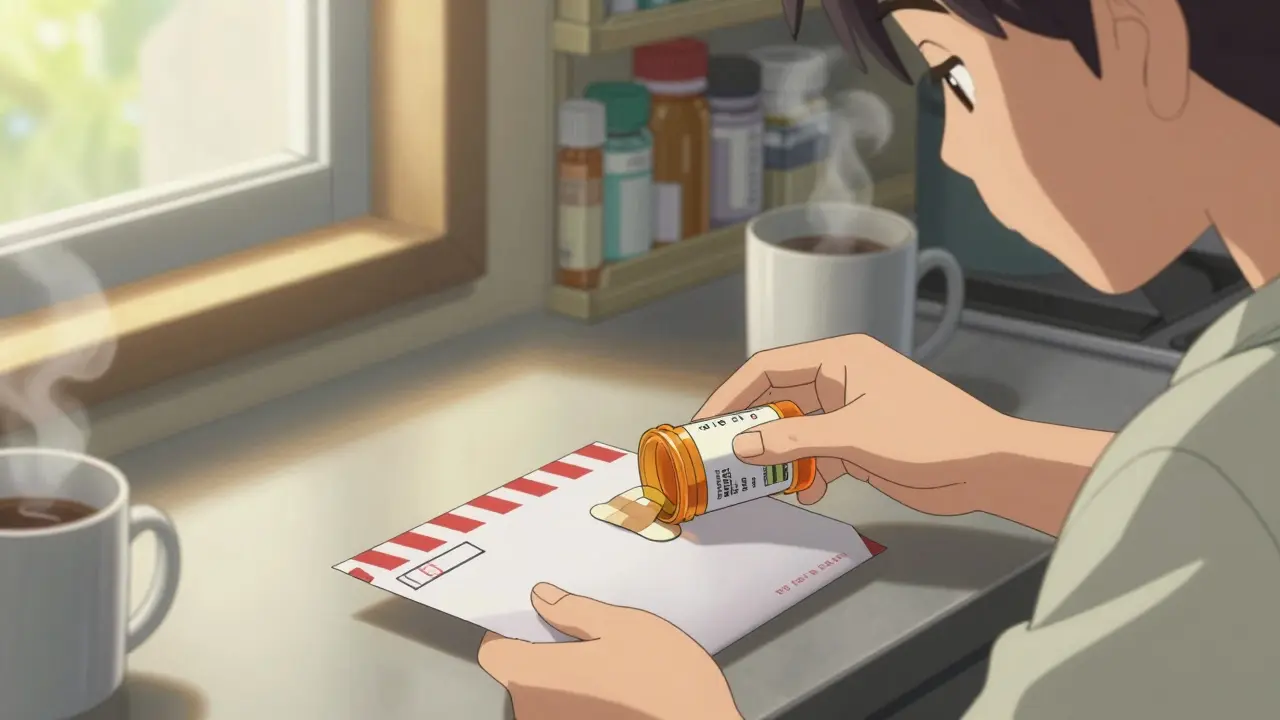
Every year, millions of unused or expired medications end up in home medicine cabinets, toilets, or trash bins. Flushing pills down the drain or tossing them in the garbage might seem harmless, but it’s not. These drugs don’t disappear-they leach into water systems, contaminate soil, and can be picked up by kids, pets, or even thieves looking for pills to misuse. That’s where prepaid drug mail-back envelopes come in. They’re not just convenient-they’re one of the safest, most environmentally responsible ways to get rid of unwanted medications.
How Prepaid Drug Mail-Back Envelopes Work
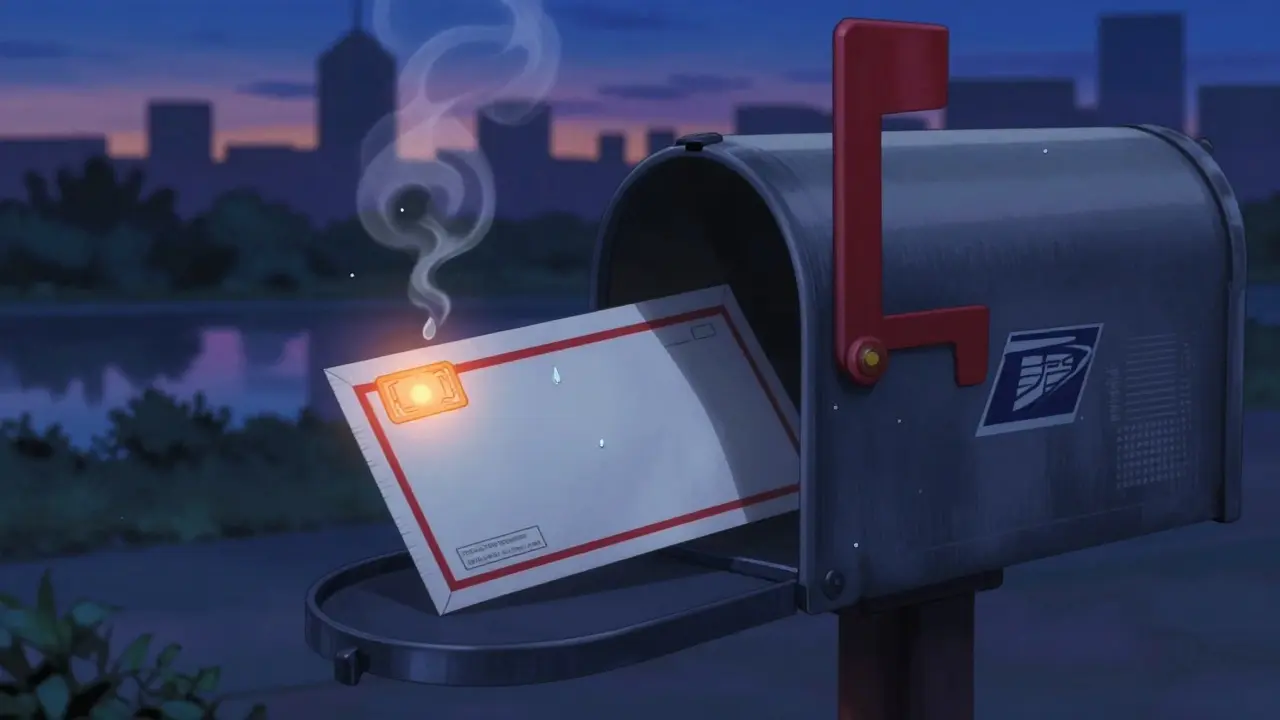
These envelopes are simple, sealed, and prepaid. You don’t need to pay for postage, find a drop-off location, or wait for a special event. You order them online or pick them up at a participating pharmacy, fill them with your unused pills, liquids, or patches, seal them, and drop them in any U.S. Postal Service mailbox. That’s it.The envelope is tamper-evident, meaning if someone tries to open it before it reaches the facility, you’ll know. Once it’s mailed, it goes directly to a DEA-registered medical waste incinerator. No landfills. No recycling bins. Just high-temperature destruction that breaks down the chemicals completely.
Most providers, like Mail Back Meds and American Rx Group, let you track your envelope online. You can see when it was mailed, when it arrived at the facility, and when it was destroyed. This isn’t just reassurance-it’s accountability. You know your meds didn’t end up in the wrong hands.
What You Can and Can’t Put in These Envelopes
Not everything goes in these envelopes. The rules are clear, and skipping them can cause delays or rejection.
Accepted items:
- Expired or unused prescription medications (including Schedule II-V controlled substances)
- Over-the-counter pills, creams, and liquids (up to 4 ounces total)
- Pet medications
- Medication samples from doctors
- Transdermal patches (like fentanyl or nicotine patches)
Strictly prohibited:
- Needles, syringes, or sharps
- Aerosol inhalers (like albuterol or Advair)
- Illicit drugs (Schedule I substances like heroin or LSD)
- Thermometers, medical devices, or non-pharmaceutical items
- Commercial or business-generated pharmaceutical waste
If you have inhalers or sharps, you’ll need separate disposal programs. Some states, like California, offer special mail-back kits for inhalers. Check with your pharmacy or state health department. Don’t try to squeeze them into a standard envelope-it won’t work, and it’s unsafe.
Why This Method Beats Flushing or Throwing Away
Flushing meds used to be common advice. It’s not anymore. The FDA and EPA both warn that flushing pharmaceuticals contaminates drinking water supplies. Studies have found traces of antidepressants, antibiotics, and hormones in rivers and lakes-even in fish. These chemicals don’t break down easily. They build up. And they affect wildlife, ecosystems, and eventually, humans.
Throwing them in the trash isn’t much better. Landfills aren’t designed to contain drugs. Rainwater can wash them into groundwater. And someone-maybe a teenager, maybe a stranger-can dig through your bin and find painkillers or sedatives.
Mail-back envelopes eliminate both risks. The drugs are collected anonymously, sealed under tamper-proof conditions, and destroyed in a way that leaves no trace. No contamination. No diversion. No second chances for misuse.
Who Offers These Envelopes and How to Get Them
You can get these envelopes from several sources:
- Online retailers like Mail Back Meds, Stericycle, or American Rx Group
- Participating pharmacies (check with your local pharmacist)
- Free programs tied to opioid manufacturers (launching March 31, 2025)
Prices vary. Some offer single envelopes for under $5. Others sell them in packs of 3, 50, or even 250 for families, clinics, or community groups. The upcoming Opioid Analgesic REMS program will give out free envelopes specifically for opioid painkillers-no cost, no strings attached. Pharmacies that fill opioid prescriptions will be required to offer them.
Don’t assume your pharmacy has them. Ask. Many still don’t stock them because they’re not required to. But if you request one, they’re more likely to start ordering them.
How to Prepare Your Medications for Mail-Back
It’s not just about tossing pills into an envelope. There are two critical steps:
- Remove personal info. Scratch out your name, prescription number, and doctor’s details on the bottle or packaging. Even if the envelope is anonymous, you don’t want your identity linked to the meds.
- Keep meds in original containers. Don’t dump pills into a Ziploc bag. Keep them in their bottles or blister packs. This helps the disposal facility verify what’s inside and ensures proper handling.
Some programs, like Safe Medicine Disposal, include special orange tape to seal the envelope. Use it. Don’t just fold the flap. The seal is part of the tamper-proof system.
And remember: never take a filled envelope to your pharmacy, police station, or hospital. They can’t accept it. Only the USPS can pick it up. Drop it in any mailbox-no postage needed.
What’s Changing in 2025
Starting March 31, 2025, a new federal program will roll out: the Opioid Analgesic REMS Mail-Back Envelope Program. This isn’t optional. Manufacturers of opioid painkillers must provide free mail-back envelopes to anyone who gets a prescription. Pharmacies will be required to offer them.
This change is a direct response to the opioid crisis. Over 70,000 people died from opioid overdoses in 2022. Many started with unused pills left in home medicine cabinets. This program is designed to cut that supply at the source.
It’s also a signal: mail-back isn’t a niche option anymore. It’s becoming standard. More states are adopting similar rules. More pharmacies are stocking envelopes. More people are using them.
Is This Available Everywhere?
Yes and no. The envelopes themselves are legal in all 50 states. You can order them online and mail them from anywhere. But access to free envelopes through pharmacies? That varies. Some rural areas still don’t have participating locations. Some pharmacies don’t know about the program.
The FDA says mail-back is the safest option-if it’s available. If you can’t find an envelope, look for a drug take-back day. The DEA holds them twice a year at police stations and pharmacies. But those are one-day events. Mail-back works year-round.
If you live in a remote area, order online. It’s cheap, reliable, and gets the job done.
Environmental and Public Health Impact
In 2022, the DEA collected over 1 million pounds of unused medications during National Take Back Day. That’s a lot. But it’s still just a fraction of what’s sitting in homes.
Mail-back programs reduce that burden. They prevent pharmaceutical pollution in waterways. They reduce the risk of accidental poisoning in children. They stop addicts from scavenging through trash. And they help pharmacies and hospitals meet environmental compliance standards.
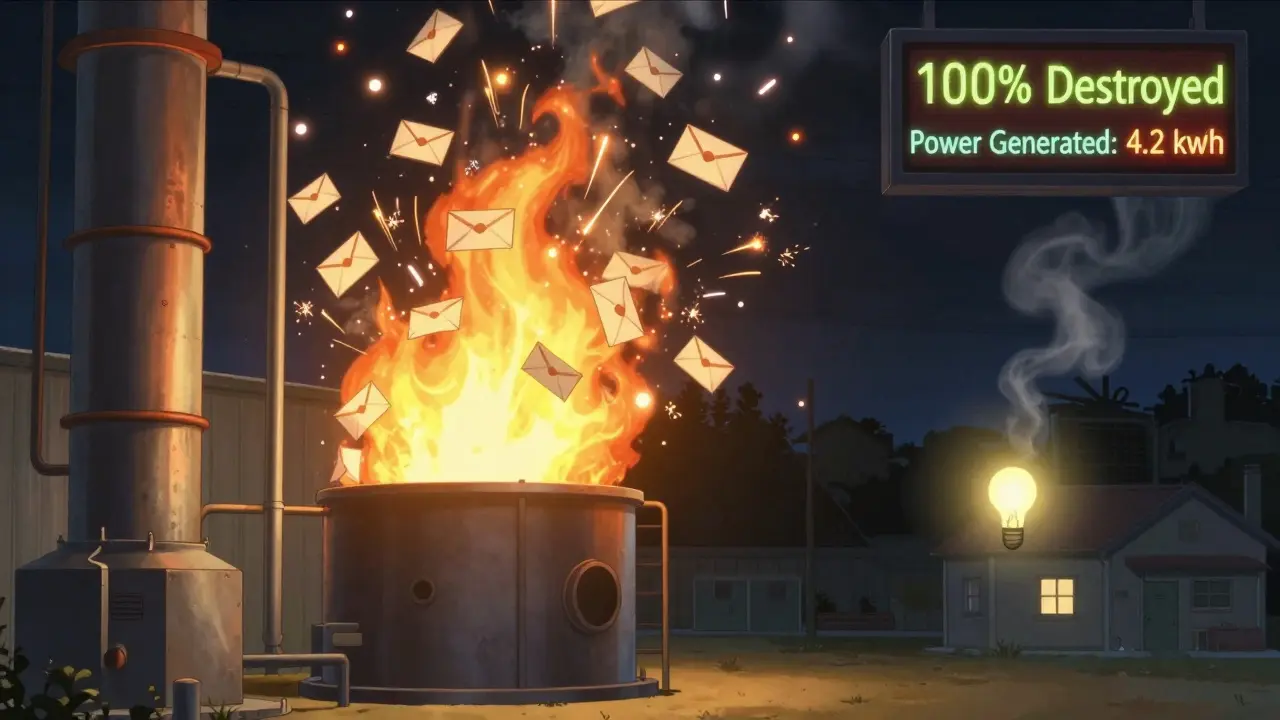
Companies like American Rx Group partner with waste-to-energy facilities. That means your old pills don’t just get burned-they turn into electricity. One envelope can power a light bulb for hours. That’s not just disposal. That’s recycling.
What to Do Next
Check your medicine cabinet. Look for expired painkillers, old antibiotics, unused antidepressants, or leftover ADHD meds. If you’ve had them for more than a year, they’re probably not safe to keep.
Order a pack of envelopes. Keep one in your medicine cabinet, one in your car, and one in your purse. You never know when you’ll need it.
Ask your pharmacist if they offer mail-back envelopes. If they say no, ask them why. Tell them you want to use one. Demand matters.
And if you’re helping an elderly parent or a loved one with chronic illness, set up a monthly check. Get their old meds out of the house. One envelope can save a life-maybe even your own.


Graham Holborn
Hi, I'm Caspian Osterholm, a pharmaceutical expert with a passion for writing about medication and diseases. Through years of experience in the industry, I've developed a comprehensive understanding of various medications and their impact on health. I enjoy researching and sharing my knowledge with others, aiming to inform and educate people on the importance of pharmaceuticals in managing and treating different health conditions. My ultimate goal is to help people make informed decisions about their health and well-being.