Opioid Overdose: Recognizing Signs, Using Naloxone, and Saving Lives
- Mar, 31 2026
- 5
Learn how to identify an opioid overdose and administer naloxone quickly. Understand the risks, recovery steps, and emergency protocols to save lives.

When your breathing slows too much, it’s called respiratory depression, a condition where breathing becomes too shallow or slow to supply enough oxygen. Also known as hypoventilation, it’s not just a side effect—it can be life-threatening if not caught early. This isn’t something that happens overnight for most people. It builds up when drugs affect the brain’s breathing control center, often without warning.
Some of the most common triggers are opioids, pain medications like oxycodone, hydrocodone, and fentanyl. They’re designed to calm pain, but they also quiet the part of your brain that tells you to breathe. Benzodiazepines, like diazepam or alprazolam, used for anxiety or sleep, make it worse when mixed with opioids. Even over-the-counter sleep aids or alcohol can push someone into dangerous territory. It’s not about taking too much at once—it’s often about stacking drugs that each slow breathing a little, until the total effect is too much.
People on long-term pain meds, those recovering from surgery, or anyone taking multiple central nervous system depressants are at higher risk. But it can happen to anyone—even someone who’s never used drugs before, if they’re given the wrong combo. Symptoms start subtle: drowsiness, confusion, slow speech, then shallow breaths. By the time lips turn blue, it’s already critical. That’s why doctors monitor patients closely after starting these meds, and why pharmacies now warn about mixing them.
The posts below dive into real cases and connections you won’t find in general advice. You’ll see how REMS programs help control high-risk drugs, why grapefruit, a common breakfast fruit can make some meds dangerously strong, and how MAOIs, a type of antidepressant can interact with other substances in ways that affect breathing. You’ll also find clear comparisons between medications that might seem harmless on their own but become risky together. This isn’t theory—it’s what happens in real clinics, ERs, and pharmacies every day.
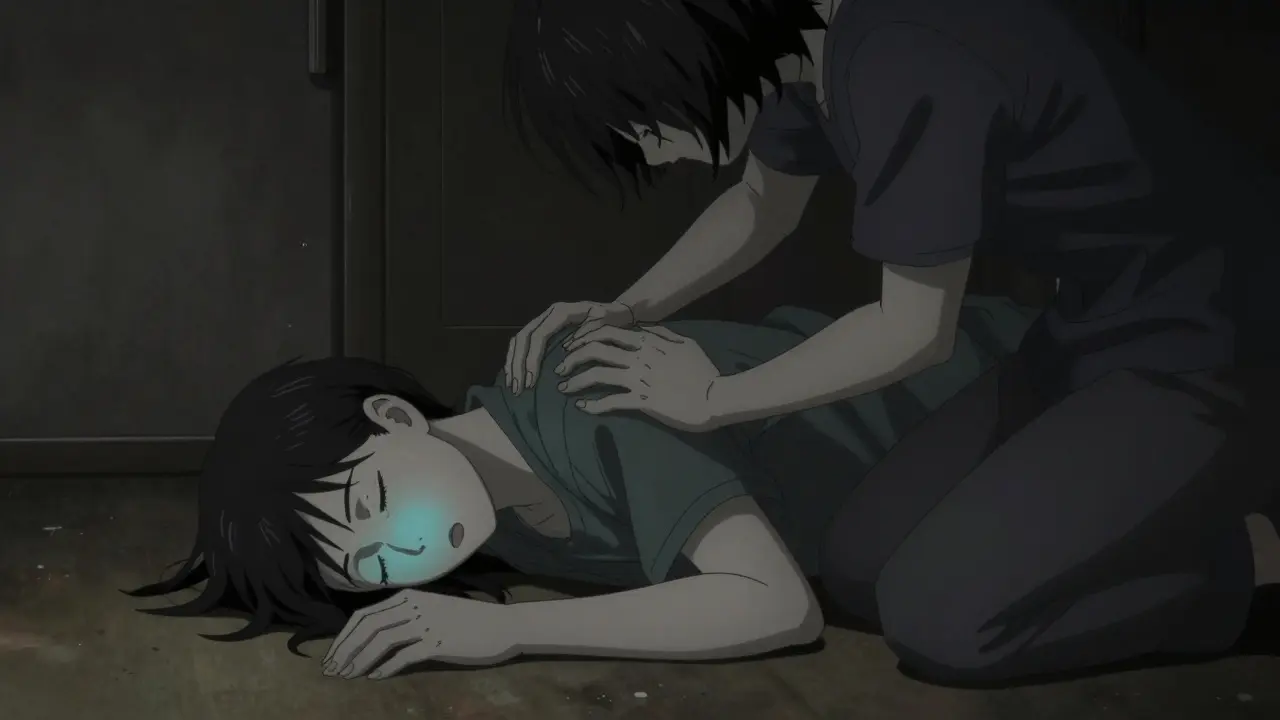
Learn how to identify an opioid overdose and administer naloxone quickly. Understand the risks, recovery steps, and emergency protocols to save lives.
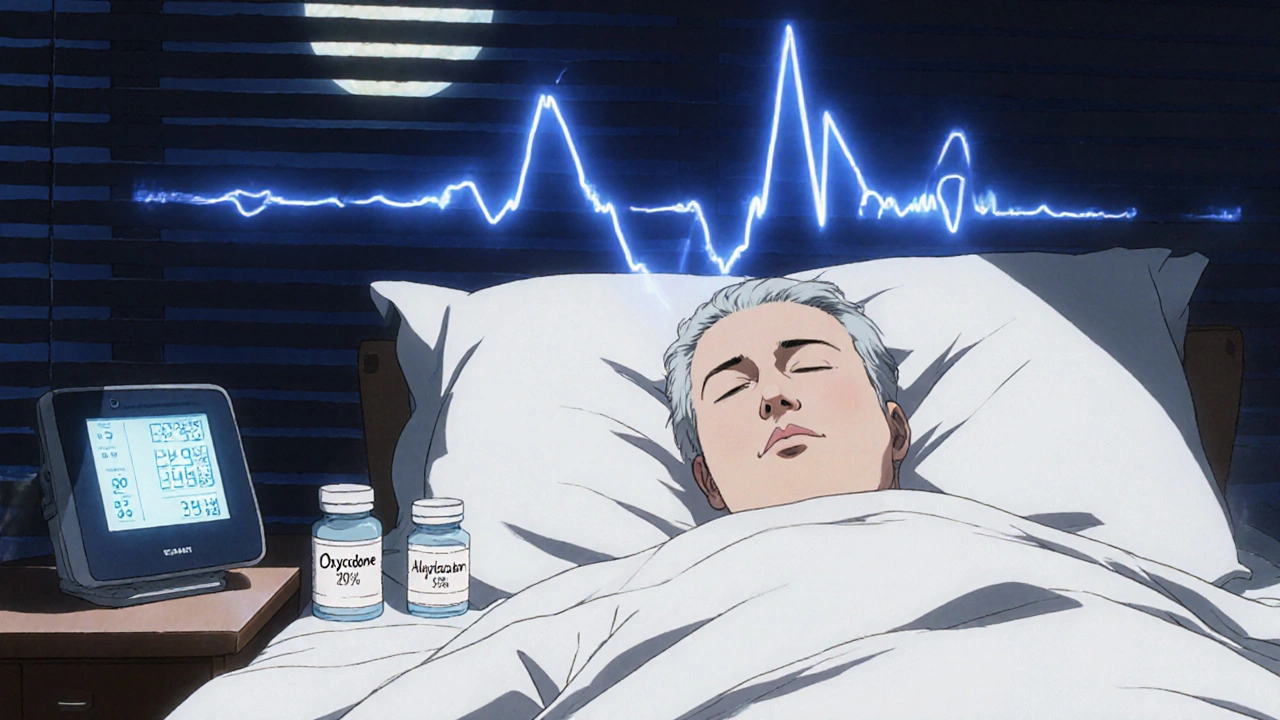
Combining opioids and benzodiazepines can dangerously slow or stop breathing, leading to fatal overdose. Learn why this interaction is so risky, who's most vulnerable, and what to do if you're taking both.