
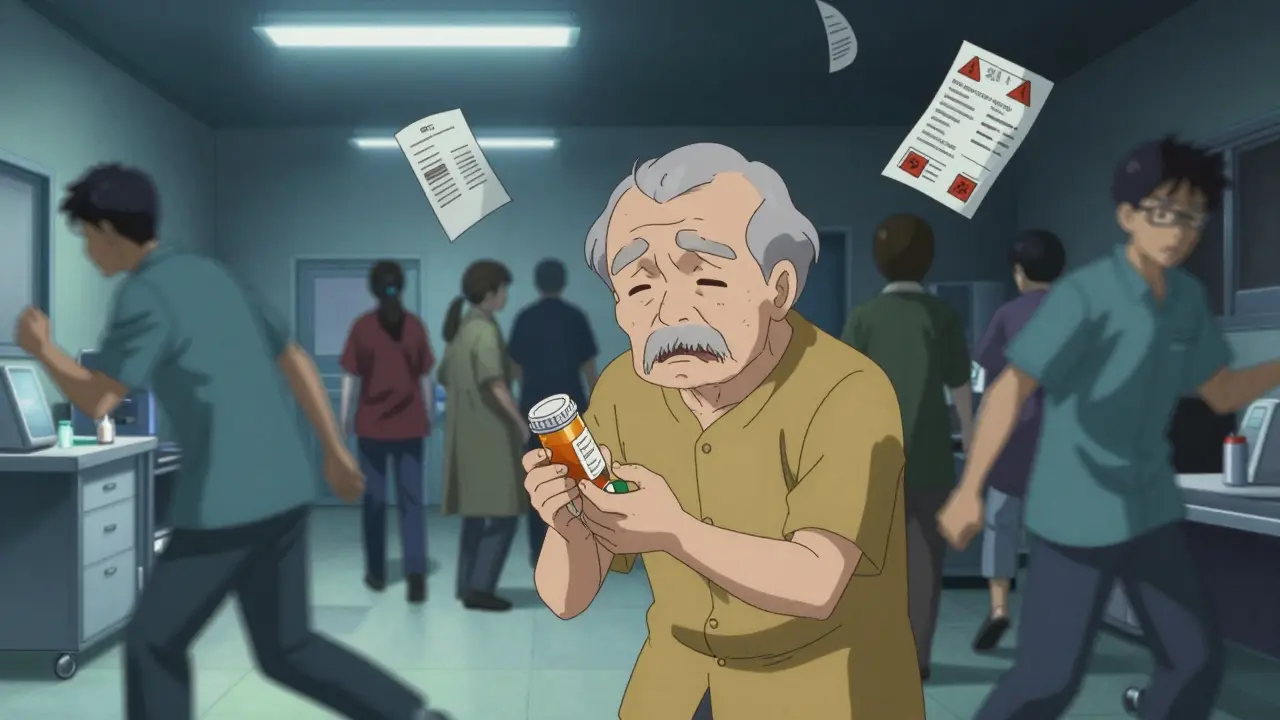
Every year, more than 1.5 million people in the U.S. end up in the emergency room because of a medication error. That’s not a glitch in the system-it’s a systemic failure. And it’s happening in hospitals, pharmacies, and homes across the country. Medication safety isn’t just about doctors writing clear prescriptions or pharmacists double-checking labels. It’s about keeping people alive. When a patient takes the wrong dose, gets the wrong drug, or can’t afford to take their pills as directed, the consequences aren’t abstract. They’re deadly. In 2025, medication safety remains one of the most urgent public health challenges we face-not because we lack the tools, but because we haven’t made it a priority.
Medication Errors Are a Leading Cause of Harm
The World Health Organization estimates that 1 in 10 patients in high-income countries suffers harm from unsafe medication practices. That’s not a rare accident. It’s the norm. In the U.S., adverse drug events cause more ER visits than falls or car crashes. The numbers don’t lie: 125,000 preventable deaths annually. $300 billion in avoidable costs. $42 billion in global spending tied to errors. These aren’t statistics from a textbook-they’re real people, real families, real losses.
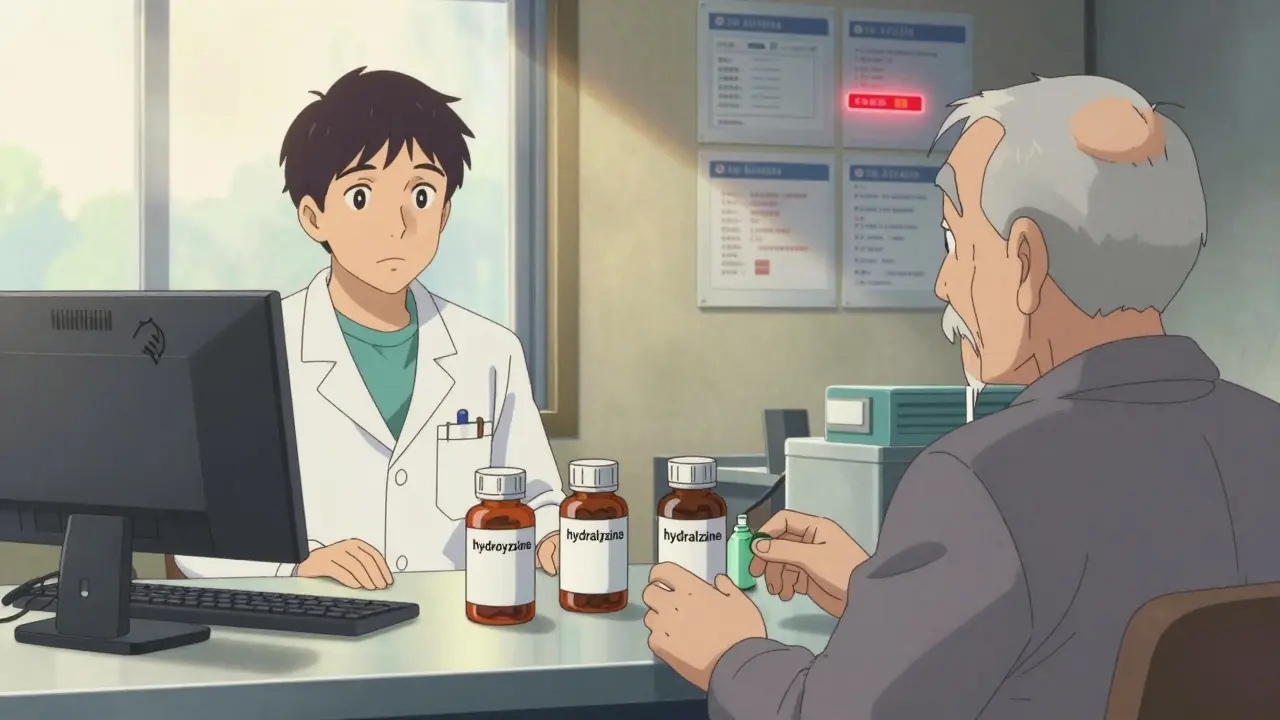
It’s not just about overdoses or allergic reactions. Many errors happen because patients don’t understand what they’re taking. A 72-year-old with diabetes, high blood pressure, and arthritis might be on eight different medications. If the discharge instructions aren’t clear, if the pill bottles look too similar, if the pharmacist doesn’t have time to explain, the risk skyrockets. Look-alike, sound-alike drug names like hydroxyzine and hydralazine still cause mix-ups. EHR interfaces that don’t warn doctors about dangerous combinations? That’s not user error-it’s bad design.
Technology Can Save Lives-But Only If It Works Right
There are proven tools that cut medication errors dramatically. Barcode scanning at the bedside reduces administration errors by 86%. Electronic prescribing cuts prescribing mistakes by 55%. AI models can now predict which patients are most likely to have an adverse reaction with 73% accuracy. These aren’t futuristic ideas. They’re in use today.
But technology alone won’t fix this. A hospital in Texas installed barcode scanners, but nurses kept bypassing them because the system slowed them down. A pharmacy in Ohio used AI to flag risky prescriptions, but doctors ignored the alerts because they popped up too often. The problem isn’t the tech-it’s how we integrate it. Systems need to be designed with human behavior in mind. Alerts shouldn’t scream. They should whisper only when it matters.
And interoperability? Still a mess. Only 63% of U.S. hospitals had fully compliant EHR systems under the 21st Century Cures Act by the end of 2024. That means a patient transferred from a clinic to a hospital might have their medication list lost in translation. A 2024 study of 15,000 patient transitions found 67% had at least one unintentional medication discrepancy. That’s not negligence. It’s a broken system.
Adherence Is the Silent Killer
One of the biggest threats to medication safety isn’t the drug-it’s the patient not taking it. The WHO says improving adherence has a greater impact on population health than any single medical treatment. Yet in the U.S., only 78.4% of patients take their cholesterol meds as prescribed. For hypertension? 76.2%. For diabetes? 74.8%. These aren’t small gaps. They’re life-or-death.
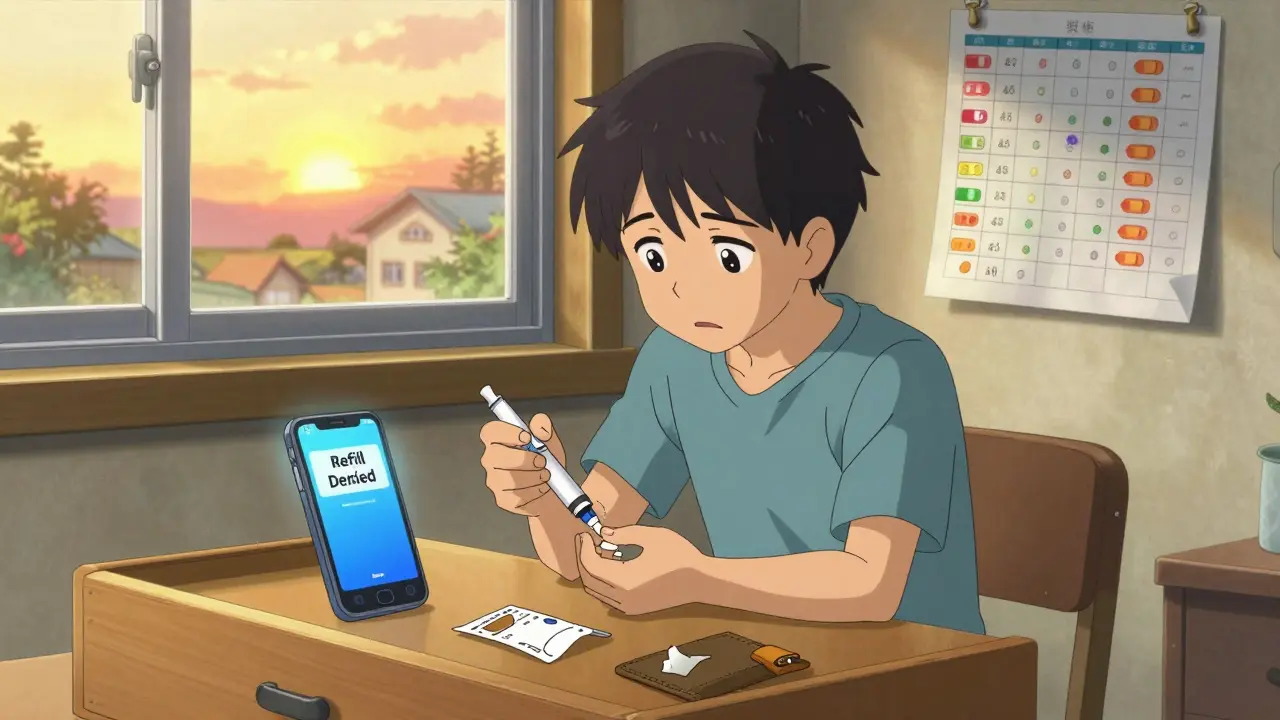
Why? Cost. Complexity. Confusion. A diabetic patient might skip insulin because they can’t afford it. An elderly person might stop taking blood thinners because they forget which pill is which. A teenager might stop their antidepressant because they don’t understand why it’s working. Pharmacist-led medication therapy management programs have shown they can boost adherence by 40% and save $1,200 per patient per year. Yet these services are still rare outside major hospitals. In rural clinics, only 37% offer 24/7 pharmacist support. That’s unacceptable.
The Counterfeit Drug Crisis Is Growing
While most medication errors happen in hospitals or homes, a darker threat is spreading: counterfeit drugs. In 2023, the DEA seized over 80 million fake pills laced with fentanyl. Fentanyl is now the leading cause of death for Americans aged 18 to 45. These aren’t street drugs sold on corners. They’re pills made to look like oxycodone or Xanax, sold online, shipped through the mail, and sometimes even distributed through compromised supply chains.
The FDA’s Drug Supply Chain Security Act requires full electronic tracking of prescription drugs by November 2025. That’s a step forward. But only 94% of hospitals use barcode scanning, and even fewer have the systems to verify drug authenticity. The problem isn’t just criminals-it’s gaps in regulation, lack of enforcement, and poor coordination between states and federal agencies.
Why the U.S. Is Falling Behind
Other countries are doing better. The Netherlands cut medication errors by 44% by mandating electronic prescribing across all settings-from doctors’ offices to nursing homes. The UK’s National Reporting and Learning System reduced serious errors by 30% by making it easy for staff to report mistakes without fear of punishment.
In the U.S., reporting is voluntary. Only 14% of medication errors are ever reported. Why? Fear. Shame. Overwork. Nurses and pharmacists are stretched thin. They’re not trained to be detectives. They’re trained to keep the machine running. And when something goes wrong, the system doesn’t ask, “What broke?” It asks, “Who messed up?”
Dr. Roseanne Sayther’s 2024 analysis found 89% of medication errors come from system failures-not individual mistakes. That’s the key. We’re blaming people for problems we built.
What’s Working-and How to Scale It
There are bright spots. The Mayo Clinic used AI-powered reconciliation to cut post-discharge errors by 52%. Geisinger Health’s pharmacist-led program raised adherence to 89% and cut readmissions by 27%. Minnesota saw a drop in preventable deaths-from 21 in 2022 to 14 in 2024.
What did they do? They invested. They trained. They listened. They made medication safety part of daily workflow-not an add-on.
- They used visual medication schedules-color-coded charts patients could hang on their fridge.
- They built standardized order sets that auto-filled safe doses based on weight and kidney function.
- They gave patients access to online portals where they could see their meds, ask questions, and get refill reminders.
And they didn’t wait for Congress to act. They started with what they could control.
The Return on Investment Is Clear
Every dollar spent on medication safety returns $7.50 in savings. Pharmacist-led programs? $13.20 back. That’s not a cost center. It’s a profit engine. CMS now ties 16 medication safety measures to Medicare Star Ratings. Plans that hit 90%+ adherence on key drugs get $1.20 to $1.80 extra per member per month. Hospitals that reduce readmissions get paid more. It’s not charity-it’s economics.
And the market is responding. The global patient safety software market is projected to hit $5.1 billion by 2029. But money alone won’t fix this. We need policy. We need culture change. We need to treat medication safety like we treat clean water or seat belts-non-negotiable.
It’s Not Too Late
Medication safety isn’t about perfection. It’s about progress. It’s about asking: Why did this happen? How do we stop it next time? Who needs support? What systems are failing?
We have the data. We have the tools. We have the proof that change works. What’s missing is the will. Until we treat medication safety as a public health emergency-not a hospital compliance checkbox-we’ll keep losing people who didn’t have to die.
It’s time to stop waiting for a miracle. Start fixing the machine.


Graham Holborn
Hi, I'm Caspian Osterholm, a pharmaceutical expert with a passion for writing about medication and diseases. Through years of experience in the industry, I've developed a comprehensive understanding of various medications and their impact on health. I enjoy researching and sharing my knowledge with others, aiming to inform and educate people on the importance of pharmaceuticals in managing and treating different health conditions. My ultimate goal is to help people make informed decisions about their health and well-being.