
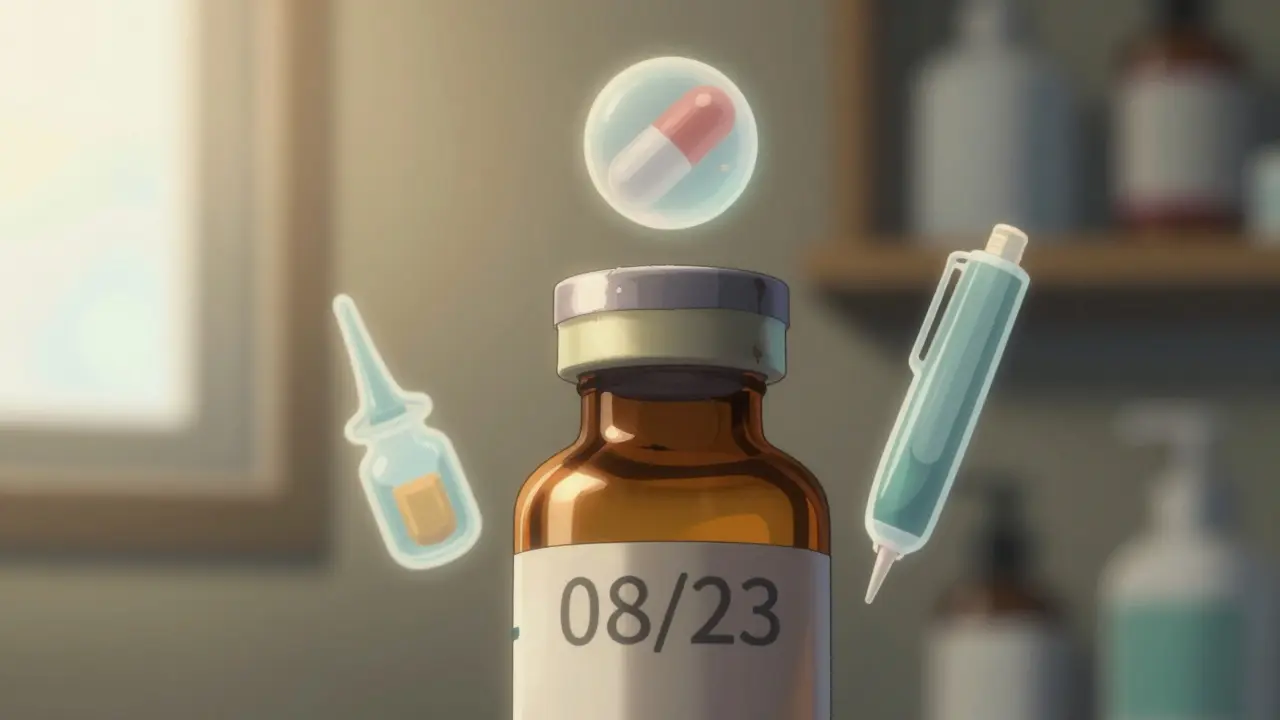
Most people don’t think twice about taking a pill past its expiration date-until something goes wrong. Maybe the headache medicine didn’t work. Or the antibiotic made you feel worse. Expiration dates aren’t just bureaucratic footnotes; they’re safety markers backed by science. But reading them correctly? That’s where things get messy.
What an Expiration Date Actually Means
The expiration date on your medication isn’t a "use-by" date like milk. It’s the last day the manufacturer guarantees the drug will work as intended and remain safe under proper storage conditions. That means if you keep it in a hot bathroom or leave it in a sunny car, it could degrade long before that date.
The U.S. Food and Drug Administration (FDA) requires all prescription and over-the-counter drugs to carry an expiration date. This started in 1979 after studies showed potency dropped over time. Manufacturers test drugs under heat, humidity, and light to see how long they hold up. Most pills and capsules last 1 to 5 years. Eye drops? Often just 6 months to 2 years. Injections? Usually 2 to 5 years. Topical creams and patches fall in the middle-1 to 3 years.
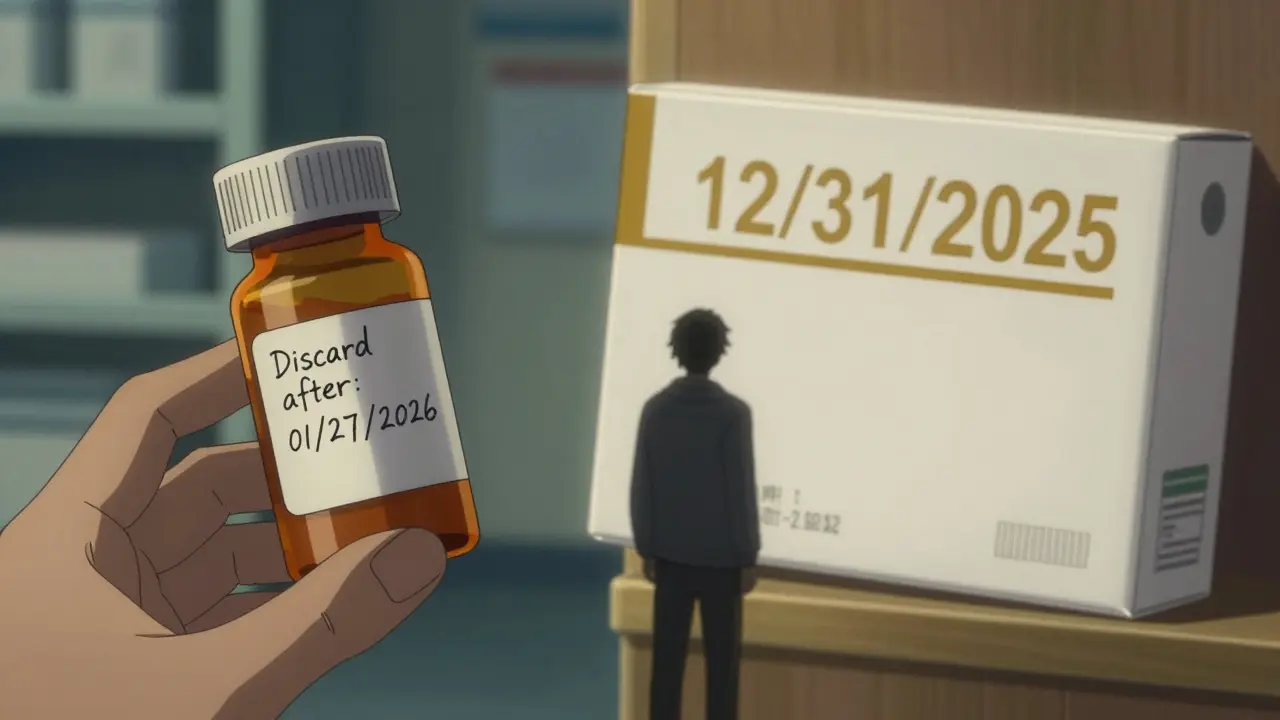
But here’s the catch: the expiration date on the original bottle might be different from the one on the pharmacy label. Pharmacies often put their own "discard after" date on prescriptions-usually one year from when you picked it up. That’s not because the drug expires then. It’s because they’re following pharmacy rules, not drug stability data.
How Expiration Dates Are Shown (And How to Read Them)
Expiration dates don’t come in one format. They can look like any of these:
- Expiry: 08/23
- Exp: 2025-12-31
- Use by: JAN 2026
- Exp date: 15/04/2024
When you see just a month and year-like 08/23-it means the medication expires on the last day of that month. So August 2023 means August 31, 2023. If you see a full date like 2025-12-31, that’s straightforward: December 31, 2025.
Some countries use different formats. The European Union uses day/month/year (e.g., 31/12/2025). China uses year/month/day (e.g., 2025/12/31). In Australia, where most medications follow international standards, you’ll mostly see month/year or full dates.
Look for words like "Expiry," "Exp," "Use by," or "Do not use after." If you’re unsure, check the packaging for the lot number. That’s your clue to contact the manufacturer or pharmacist if something looks off.
Pharmacy Labels vs. Manufacturer Dates: What to Trust
When you get a prescription filled, the pharmacy puts a label on the bottle. It often says "Discard after: 01/27/2026." That’s not the drug’s true expiration date. It’s the pharmacy’s "beyond-use date." For most pills, it’s set at one year from dispensing. But for liquids-like antibiotic syrups-it could be as short as 14 days.
Here’s the problem: patients assume the pharmacy label is the final word. They throw out perfectly good medicine because they don’t realize the original bottle might still be good for another two years. A 2023 survey found that nearly 40% of people discarded expensive medications unnecessarily because they followed the pharmacy date without checking the original packaging.
Ask your pharmacist: "What’s the manufacturer’s expiration date?" They’re required to know it. If they can’t tell you, request that they write the original date on the bottle next to their own label. Keep the original box or blister pack. It’s your best reference.
Which Medications Are Dangerous After Expiration?
Most drugs don’t turn toxic after they expire. The FDA says 90% of medications tested past their expiration date still had at least 90% of their original potency. But that doesn’t mean all are safe.
Some medications lose effectiveness fast-and that can be deadly. Never take expired:
- Insulin - Can lose potency, leading to dangerous blood sugar spikes
- Birth control pills - Reduced effectiveness increases pregnancy risk
- Thyroid medications - Even small potency drops can cause major hormone imbalances
- Anti-platelet drugs (like aspirin or clopidogrel) - May not prevent clots, increasing stroke or heart attack risk
- Antibiotics - Sub-potent doses can lead to antibiotic resistance
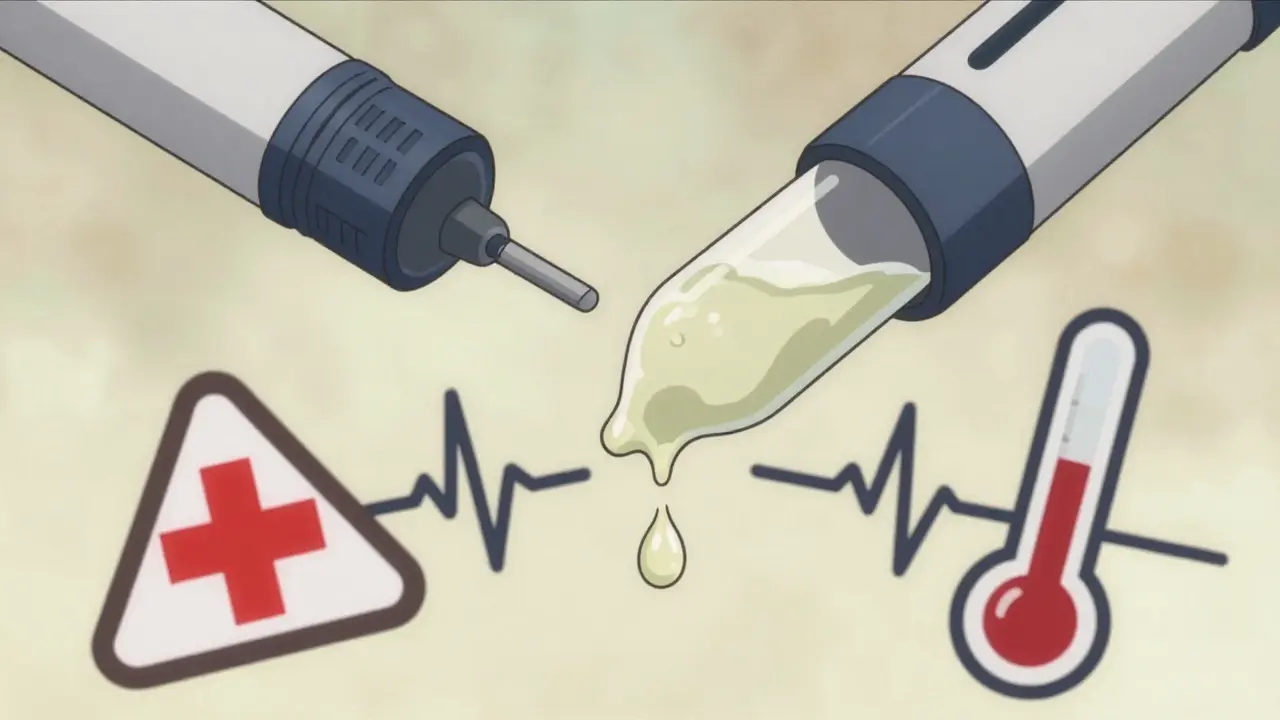
- EpiPens - If the liquid looks discolored or cloudy, it may not work in an emergency
There’s a myth that tetracycline becomes poisonous after expiring. That was true in the 1960s with old manufacturing methods. Modern versions don’t have that risk. But don’t test it. If it’s expired, replace it.
Storage Matters More Than You Think
Your medicine’s expiration date assumes it was stored correctly. If you keep it in a steamy bathroom, in a hot car, or in direct sunlight, it degrades faster.
Most pills are fine at room temperature (15-30°C). But some need refrigeration. Check the label. Insulin, some liquid antibiotics, and certain eye drops require fridge storage. If you leave them out for days, they’re no longer reliable-even if the date hasn’t passed.
Moisture is another enemy. Keep pills in their original bottles with the desiccant packet inside. Don’t transfer them to pill organizers unless you’re using them within a week. Humidity causes tablets to break down, and capsules to stick together.
The FDA’s Shelf Life Extension Program found that 90% of stockpiled drugs remained effective 15-66 months past their expiration date-but only if stored perfectly. That’s not a green light for your medicine cabinet. It’s a reminder that storage controls the clock.
How to Spot Degraded Medication
Some expired meds look normal. Others don’t. Look for:
- Change in color (white pills turning yellow or brown)
- Cracking, crumbling, or sticking together
- Unusual odor (like vinegar or mold)
- Cloudy or discolored liquids
- Separation in suspensions or ointments
If you see any of these, don’t take it-even if the date is still valid. Degradation doesn’t always show up in the label. It shows up in the pill.
Also check for the DIN (Drug Identification Number) or GP number on the label. In Canada and Australia, this confirms the product was approved for sale. If it’s missing, the bottle might be counterfeit or repackaged.
What to Do With Expired Medication
Never flush pills down the toilet or throw them in the trash where kids or pets can get to them. Many pharmacies offer take-back programs. In Australia, you can drop off expired meds at any pharmacy that participates in the Medicine Disposal Program. Some local councils also host collection days.
If no program is available, mix pills with coffee grounds or cat litter in a sealed bag before tossing. That makes them unappealing and harder to misuse.
Smart Tips to Avoid Confusion
- Mark your calendar: Set a reminder 3 months before any critical medication expires. That gives you time to refill.
- Use apps: Tools like MedSafe or MyTherapy let you scan barcodes and track expiration dates automatically.
- Keep original packaging: Even if you transfer pills to a daily organizer, hold onto the box. It has the real expiration date and lot number.
- Don’t guess: If you’re unsure, ask your pharmacist. They’re trained to read these labels and know what’s safe.
And remember: if your medication doesn’t work like it used to, don’t assume you need a higher dose. It might just be expired.
What’s Changing in the Future
The industry is moving toward smarter labels. Some new packaging now includes QR codes that link to real-time expiration info. Others use thermochromic ink that changes color if the drug was exposed to heat beyond safe limits. Merck started using this on insulin pens in late 2022.
The World Health Organization now recommends a global standard: YYYY-MM-DD format. That’s coming to Australia soon. Until then, stay alert. The system isn’t perfect-but you can make it work for you.
Can I still take medicine after the expiration date?
For most pills and capsules stored properly, yes-especially if it’s only a few months past the date. But potency drops over time. For critical medications like insulin, birth control, thyroid drugs, or antibiotics, never take them past expiration. Even if they look fine, they might not work-and that can be dangerous.
Why do pharmacies put a different expiration date on my prescription?
Pharmacies assign a "beyond-use date" based on their own rules, not the drug’s stability. For most pills, it’s one year from when you picked it up. For liquids, it’s often just 14 days. This is a safety buffer for pharmacies, not a reflection of how long the drug actually lasts. Always check the original manufacturer’s date on the box.
Does storing medicine in the fridge make it last longer?
Only if the label says to. Some medicines-like insulin, certain antibiotics, and eye drops-need refrigeration to stay stable. But storing pills at room temperature when they don’t need it can cause moisture damage. Don’t refrigerate unless instructed. And never freeze medication.
What should I do if my medicine looks weird but the date is still good?
Don’t take it. Changes in color, smell, texture, or consistency mean the drug has degraded-even if the expiration date hasn’t passed. Heat, light, or moisture can damage medicine before the date. When in doubt, return it to the pharmacy for a replacement.
Is it safe to use expired over-the-counter painkillers like ibuprofen?
Ibuprofen and similar OTC pain relievers usually remain safe for a few months past expiration, but their potency drops. If you’ve had a headache for days and your pills aren’t helping, they may be expired. Don’t risk taking too many to compensate. Replace them. After a year or more, chemical breakdown can occur, making them less effective and potentially unsafe.


Graham Holborn
Hi, I'm Caspian Osterholm, a pharmaceutical expert with a passion for writing about medication and diseases. Through years of experience in the industry, I've developed a comprehensive understanding of various medications and their impact on health. I enjoy researching and sharing my knowledge with others, aiming to inform and educate people on the importance of pharmaceuticals in managing and treating different health conditions. My ultimate goal is to help people make informed decisions about their health and well-being.