Counterfeit Drugs: How to Spot Fake Medications and Stay Safe
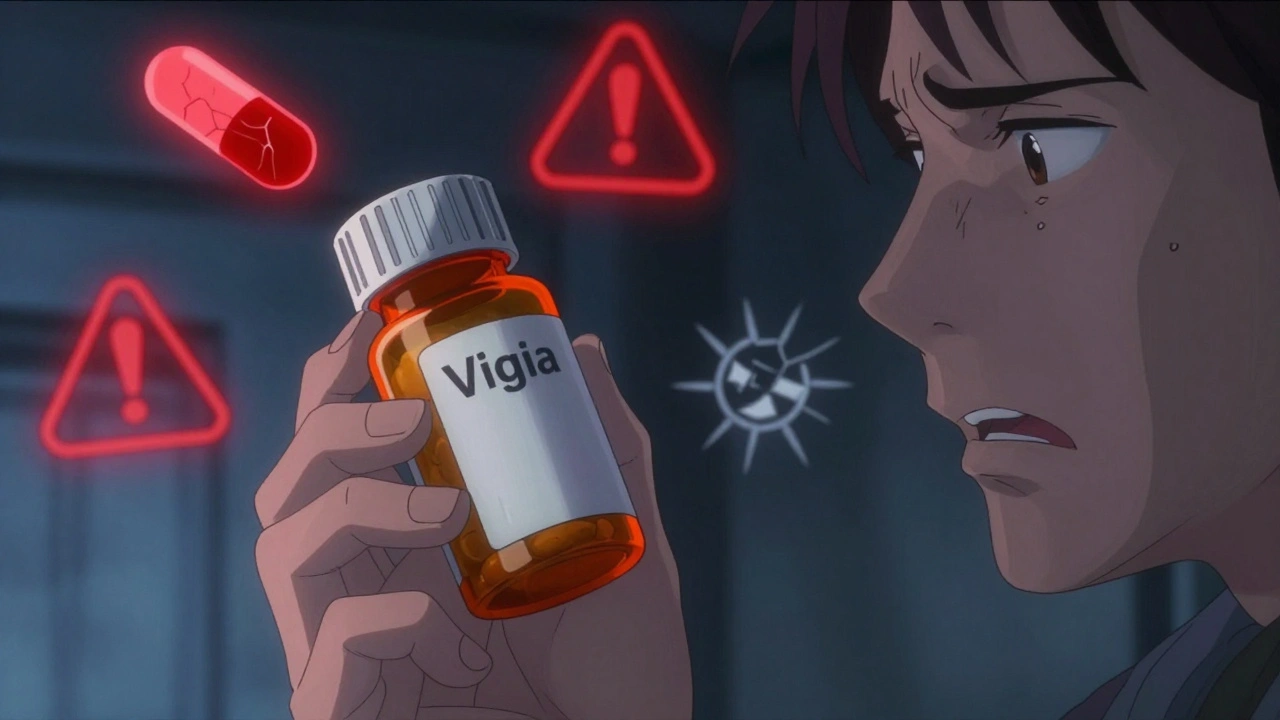
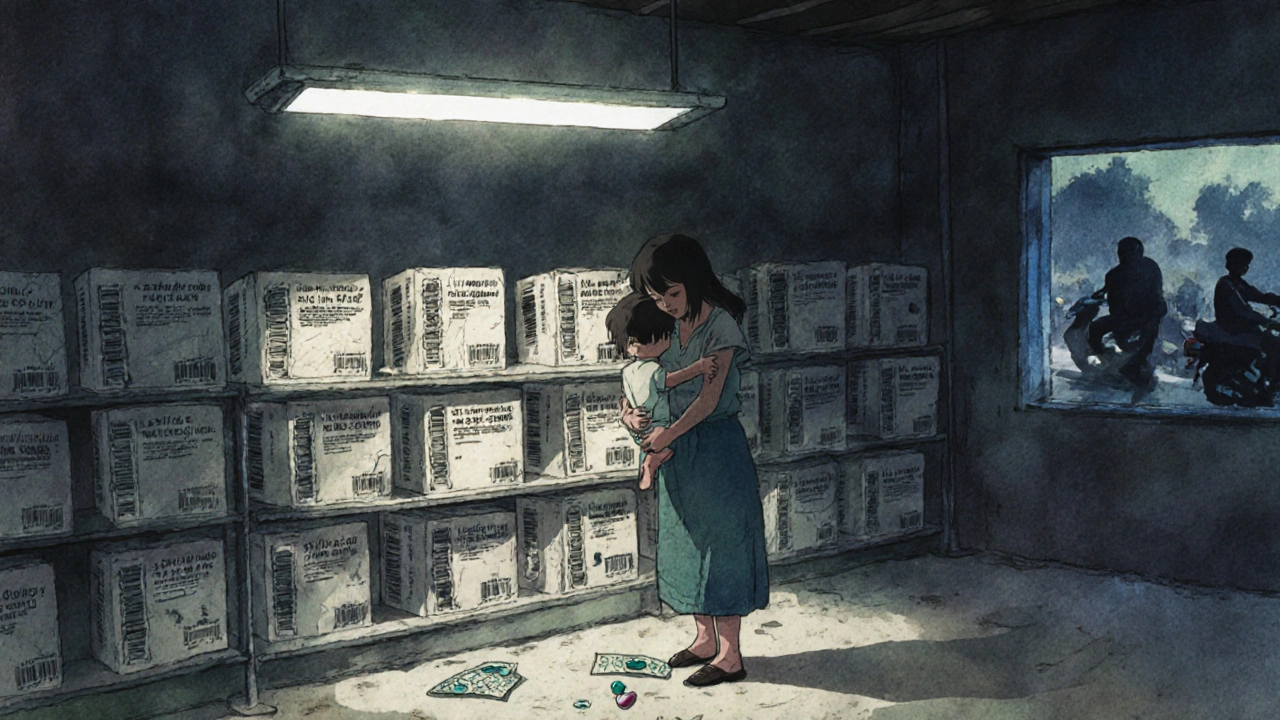
When you buy medicine, you expect it to work. But counterfeit drugs, fake versions of real medications that contain wrong ingredients, no active drug, or dangerous fillers. Also known as fake medications, they’re sold online, in foreign pharmacies, or even through unlicensed local vendors. These aren’t just ineffective—they can cause organ failure, allergic reactions, or death. The FDA and WHO estimate that 1 in 10 medical products worldwide are counterfeit, and online sales make it easier than ever to accidentally buy one.
Counterfeit drugs often mimic the look of real pills—same color, shape, logo, even packaging. But they might have no active ingredient, too little, or something harmful like fentanyl, rat poison, or chalk. Some fake versions of heart medications, drugs used to control blood pressure or cholesterol have been found to contain nothing but sugar. Others sold as antibiotics, medications meant to kill bacteria have no effect at all, letting infections spread unchecked. Even antidepressants, drugs that help manage mood disorders have been counterfeited, leaving patients without relief and at higher risk of suicide.
The biggest risk comes from buying pills online without a prescription. Sites that offer "cheap Zoloft" or "generic Viagra" without asking for a doctor’s note are almost always selling fakes. Legitimate pharmacies require prescriptions, follow FDA guidelines, and track their supply chain. If a deal seems too good to be true—like 80% off brand-name drugs—it probably is. Always check for a physical address, a licensed pharmacist on staff, and a verified pharmacy seal. And never buy from social media ads, pop-up sites, or sellers who message you first.
Real medicine comes with real risks, but counterfeit drugs add a layer of danger you can’t predict. If you’ve ever taken a pill and felt worse instead of better, or noticed a sudden change in how your medication works, talk to your doctor. Keep your prescriptions from trusted pharmacies. Ask your pharmacist to check the packaging for signs of tampering. And if you see a suspicious site selling drugs, report it. Your life isn’t worth the gamble.
Below, you’ll find real-world guides on how to spot dangerous drug interactions, understand FDA safety programs like REMS, and avoid the traps that lead people to fake meds. These aren’t theory pieces—they’re tools to help you stay alive and in control of your health.